Trading Card Glossary: 50 Terms Every Collector Should Know
· 4 min read

Trading card terms can sound like a secret language, but most of them describe just a few things: how rare a card is, what condition it is in, how it was packaged and how it should be stored. This glossary explains 50 of the terms you will hear most often across Pokémon, other TCGs and sports cards, grouped alphabetically so you can find them quickly.
A to C
- Alt art – an alternative artwork version of a card, often with a scene that extends across the whole card.
- Autograph – a card signed by a player or artist, either on the card or on an attached sticker.
- Base set – the core, numbered cards of a set, excluding special extras.
- Booster box – a sealed display box containing a fixed number of booster packs.
- Booster pack – a sealed pack of randomly assorted cards.
- Bulk – large quantities of common, lower-demand cards, often sold by the lot.
- Centring – how evenly the artwork sits within the borders; a key grading factor.
- Chase card – the most sought-after card in a set, the one everyone hopes to pull.
- Crease – a fold line in the card stock; it heavily reduces condition.
D to H
- Double sleeving – placing a card in a snug inner sleeve, then a standard outer sleeve, for extra protection.
- Elite Trainer Box (ETB) – a Pokémon product containing booster packs plus accessories such as sleeves and dice.
- Error card – a card printed with a mistake, such as a wrong name or missing symbol.
- Foil – a shiny, reflective finish applied to part or all of a card.
- Full art – a card whose artwork covers the entire face rather than sitting in a box.
- Gem mint – the top grade from most grading companies, meaning practically flawless.
- Grading – sending a card to a company such as PSA, CGC, Beckett or ACE to be assessed and sealed with a condition score.
- Hit – any special card pulled from a pack, such as a rare, autograph or numbered parallel.
- Hobby box – a sports card box sold through specialist shops, usually with guaranteed hits.
- Holo – short for holographic; a card with a shiny, rainbow-effect area.
I to M
- Insert – a special themed card that sits outside the base set.
- Lightly played (LP) – a card with minor wear such as light edge whitening or small scuffs.
- Magnetic holder – a rigid, two-part case that clicks shut, popular for thick or valuable cards.
- Master set – every card in a set, including every variant such as reverse holos.
- Mint – a card in perfect condition, as if straight from the pack.
- Moderately played (MP) – noticeable wear across edges, corners or surface, but still intact.
N to P
- Near mint (NM) – almost perfect, with only the tiniest imperfections.
- Numbered card – a card stamped with a serial number such as 25/50, showing a limited print run.
- Parallel – a version of a base card with a different colour, border or finish.
- Penny sleeve – a thin, inexpensive clear sleeve used as basic protection.
- Playset – the maximum copies of one card allowed in a deck, often four.
- Pop report – a grading company's record of how many copies of a card received each grade.
- Print lines – faint lines left on a card's surface during printing.
- Promo – a card released through events, products or promotions rather than standard packs.
- Proxy – a stand-in used for casual play; never a genuine card.
- Pull rate – how often a particular type of card tends to appear in packs.
R to S
- Raw – an ungraded card, not sealed in a slab.
- Relic card – a sports card containing a piece of memorabilia such as shirt fabric.
- Reprint – a card printed again in a later set, sometimes with new artwork.
- Reverse holo – a card where the foil covers everything except the artwork window.
- Rookie card – a sports player's first card appearance in a set.
- Secret rare – a card numbered beyond the set's official count, such as 105/100.
- Set number – the number printed on a card showing its place in the set list.
- Side-loading – binder pockets that open on the side, so cards are less likely to slip out.
- Singles – individual cards bought or sold on their own rather than in packs.
- Slab – the sealed plastic case a graded card is returned in.
- Starter deck – a ready-to-play deck designed for new players.
T to W
- Toploader – a rigid plastic holder that a sleeved card slides into from the top.
- Top-loading – binder pockets that open at the top edge, making cards quick to swap.
- Trade binder – a binder holding only cards you are happy to swap.
- Whitening – white specks on edges or corners where the coloured border has worn away.
Putting the terms into practice
Condition terms matter most when buying and selling, so read our guide to Pokémon card conditions before you trade. If you are wondering whether a card is worth slabbing, see should you grade your Pokémon cards. For the storage terms, our guides on sleeving Pokémon cards and side-loading vs top-loading pockets explain the practical differences.
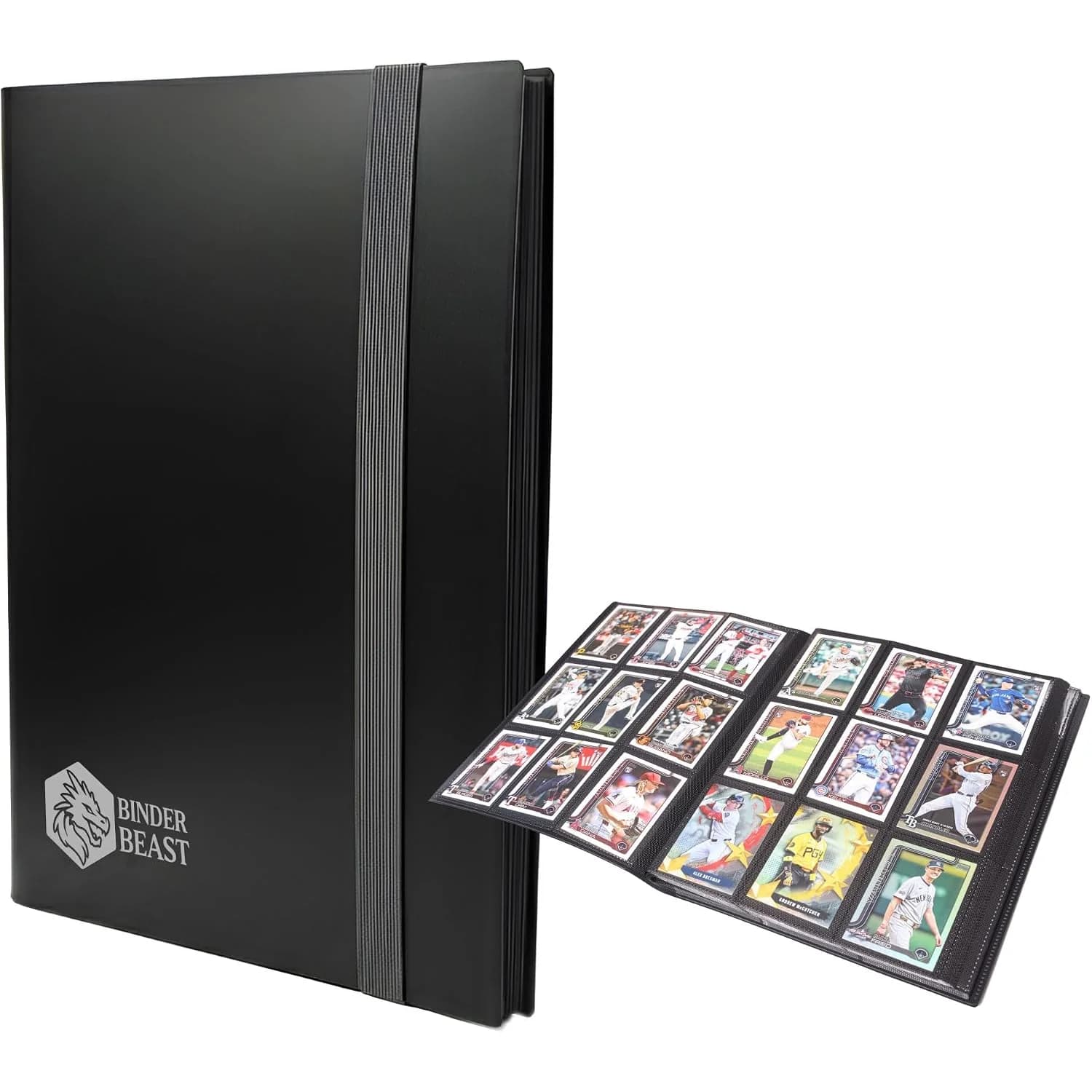
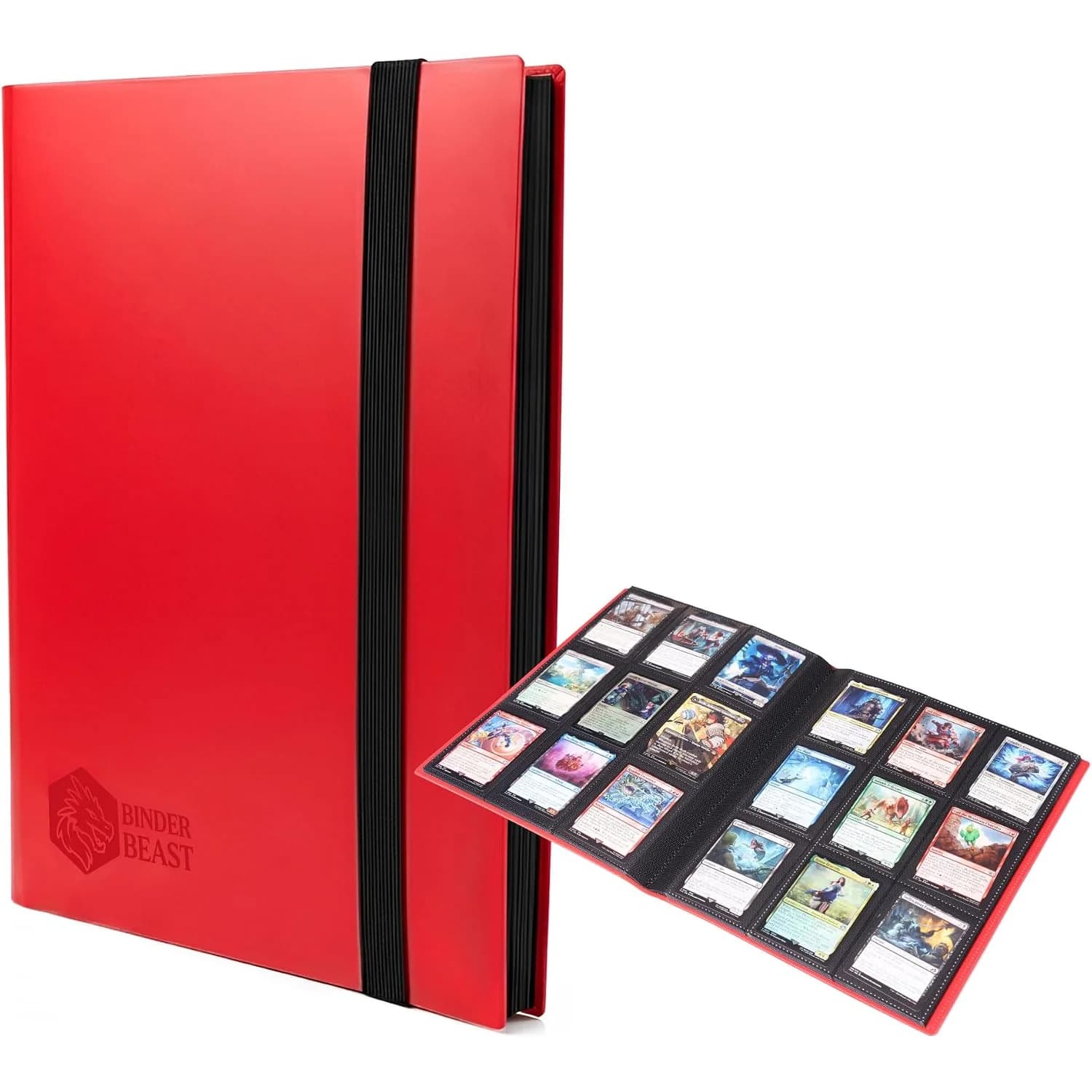
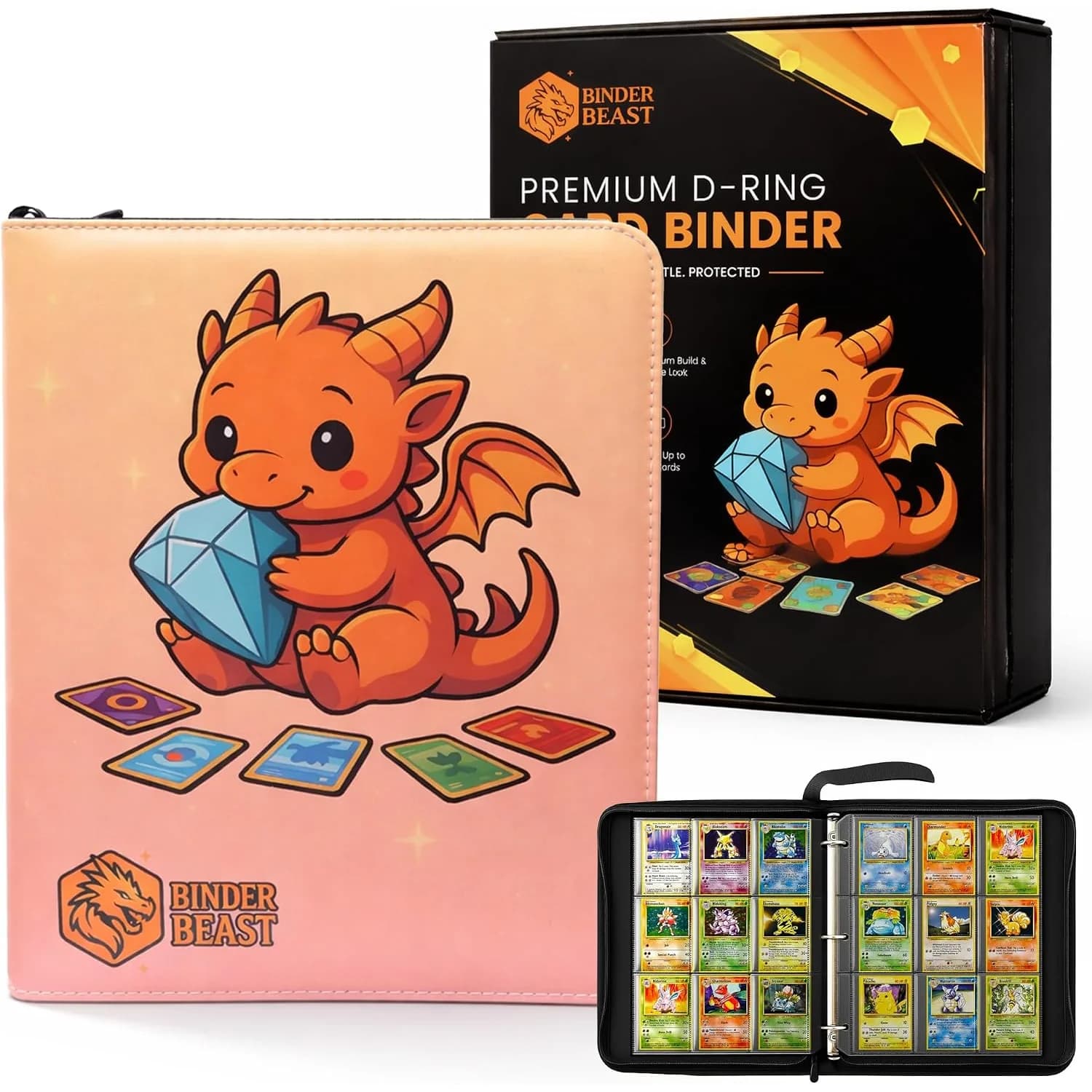
When you are ready to organise, a 9-pocket binder is the simplest home for singles, sets and trade stock. Our 9-pocket binders include the Sleek, with side-loading pockets and fixed pages, and the Dragon Zip, with top-loading pages on a D-ring.
Conclusion
You do not need to memorise every term at once. Bookmark this glossary, and the next time someone mentions pull rates, whitening or a pop report, you will know exactly what they mean.
Find the right binder
360 to 900 cards, water-resistant covers, free UK delivery over £25.
Shop binders