Pokémon Card Condition Explained: Mint, NM, LP, MP, HP
· 4 min read

Pokémon card condition describes how much wear a card has, from Mint (flawless) through Near Mint (NM), Lightly Played (LP), Moderately Played (MP) and Heavily Played (HP) down to Damaged. You judge it by looking at four things: corners, edges, surface and centring. The better the condition, the more desirable the card usually is to collectors and buyers.
These terms are not one fixed standard. Shops and marketplaces each publish their own definitions, so always read the seller's description. The guide below covers how the terms are generally used by UK collectors.
The four things to check
- Corners: look for whitening, softness or rounding. Sharp, clean corners are the first sign of a well-kept card.
- Edges: check the coloured border on the back for white specks or chipping. The blue back of a Pokémon card shows wear very clearly.
- Surface: tilt the card under a light. Scratches, scuffs, print lines, dents and fingerprints show up on holo and foil cards in particular.
- Centring: compare the border widths left to right and top to bottom. Off-centre cards are a printing issue rather than wear, but many collectors still take it into account.
Also check for bends and creases by looking along the card at eye level. A crease is the single biggest drop in condition and cannot be undone.
Condition grades explained
Mint
A card with no visible flaws at all: perfect corners, clean edges, an unmarked surface. Many cards are not quite Mint even straight out of a pack, because small printing or cutting flaws are common.
Near Mint (NM)
The card looks almost untouched. You might spot a tiny white fleck on an edge or very minor surface marks under close inspection, but nothing obvious at arm's length. Cards pulled from packs and sleeved straight away usually land here.
Lightly Played (LP)
Light, visible wear: some edge whitening, slightly soft corners or a few small scratches. No bends or creases. LP cards still look good in a binder and are often a sensible choice if you are collecting for enjoyment rather than investment.
Moderately Played (MP)
Clear wear across several areas: noticeable whitening, scuffing, corner wear and possibly a minor bend. The card has obviously been used, perhaps played unsleeved or carried in a pocket.
Heavily Played (HP)
Major wear such as heavy whitening, creases, bends or significant surface damage. The card is still intact and recognisable but is far from collector condition.
Damaged
Tears, water damage, ink or pen marks, large creases, peeling or missing pieces. Damaged cards are usually only wanted as fillers or for sentimental reasons.
Condition vs grading
The terms above are used for raw (ungraded) cards. Professional grading companies give a card a number on their own scale and seal it in a case. If you are wondering whether that is worth doing for a particular card, read should you grade your Pokémon cards? Always judge raw condition honestly first, as it is the best clue to how a card might grade.
How to check a card properly
- Wash and dry your hands, and work on a clean, soft surface.
- Take the card out of its sleeve carefully, sliding rather than pulling.
- Check the back edges and corners first, then the front.
- Tilt the card under a lamp or daylight to reveal surface scratches.
- Look along the card edge-on to spot bends.
- Note the worst flaw: condition is usually set by the weakest area, not the average.
How to keep cards in Near Mint condition
Most wear happens in the first few minutes after a card leaves the pack, or when cards are handled loose. A few habits keep them looking new:
- Sleeve valuable cards straight away. Our guide on how to sleeve Pokémon cards covers penny sleeves and double sleeving.
- Avoid elastic bands and loose piles. They cause dents, bends and edge wear.
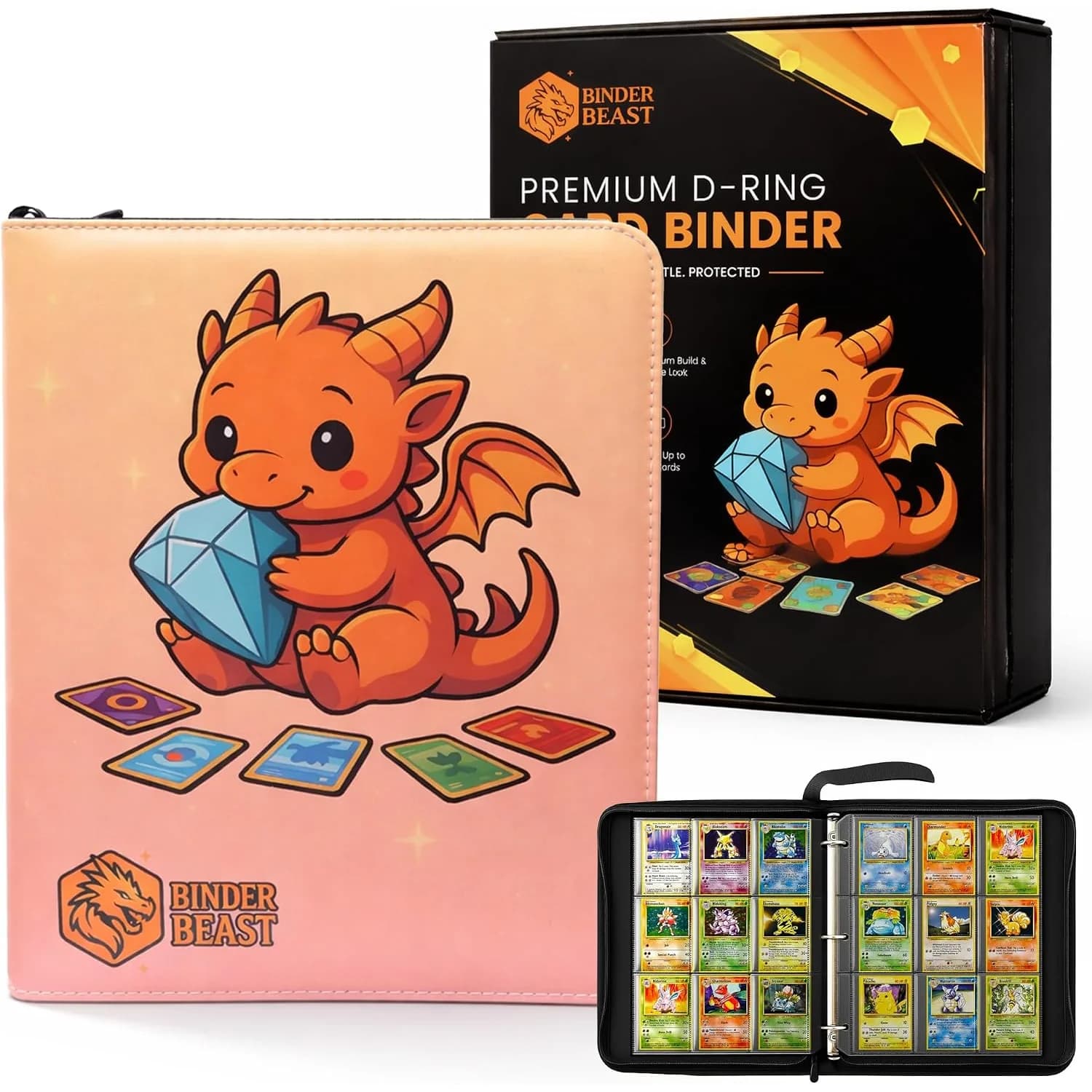
- Use a binder with the right pages. Ring binders can dent cards nearest the rings if they are packed carelessly; see how to prevent binder ring dents.
- Keep cards dry and out of direct sunlight. Damp causes curling and sunlight can fade ink over time.
- Store holos with care. Foil surfaces scratch easily, so clear, smooth pockets matter. Read more in choosing a safe binder for holo cards.
A binder that helps protect condition
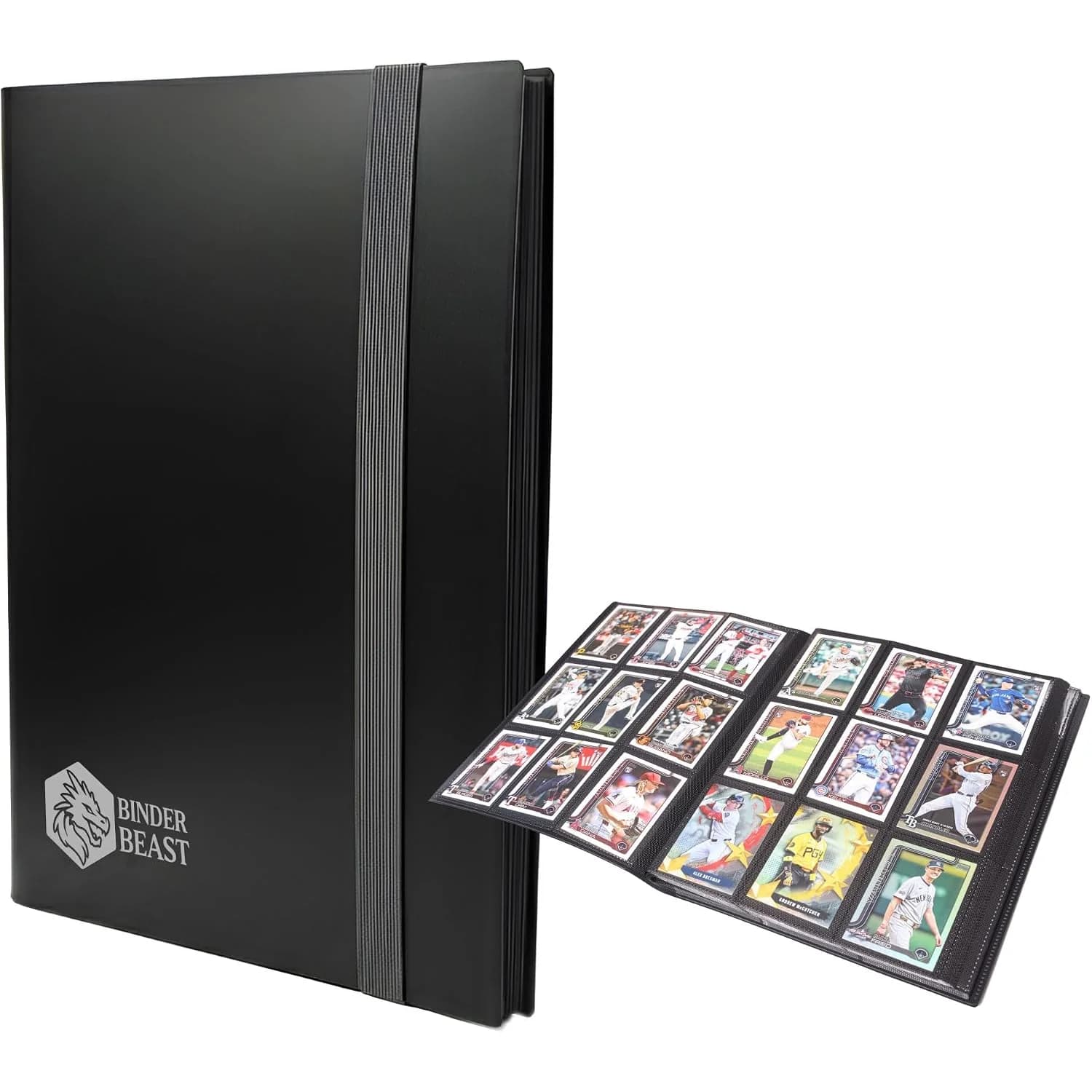
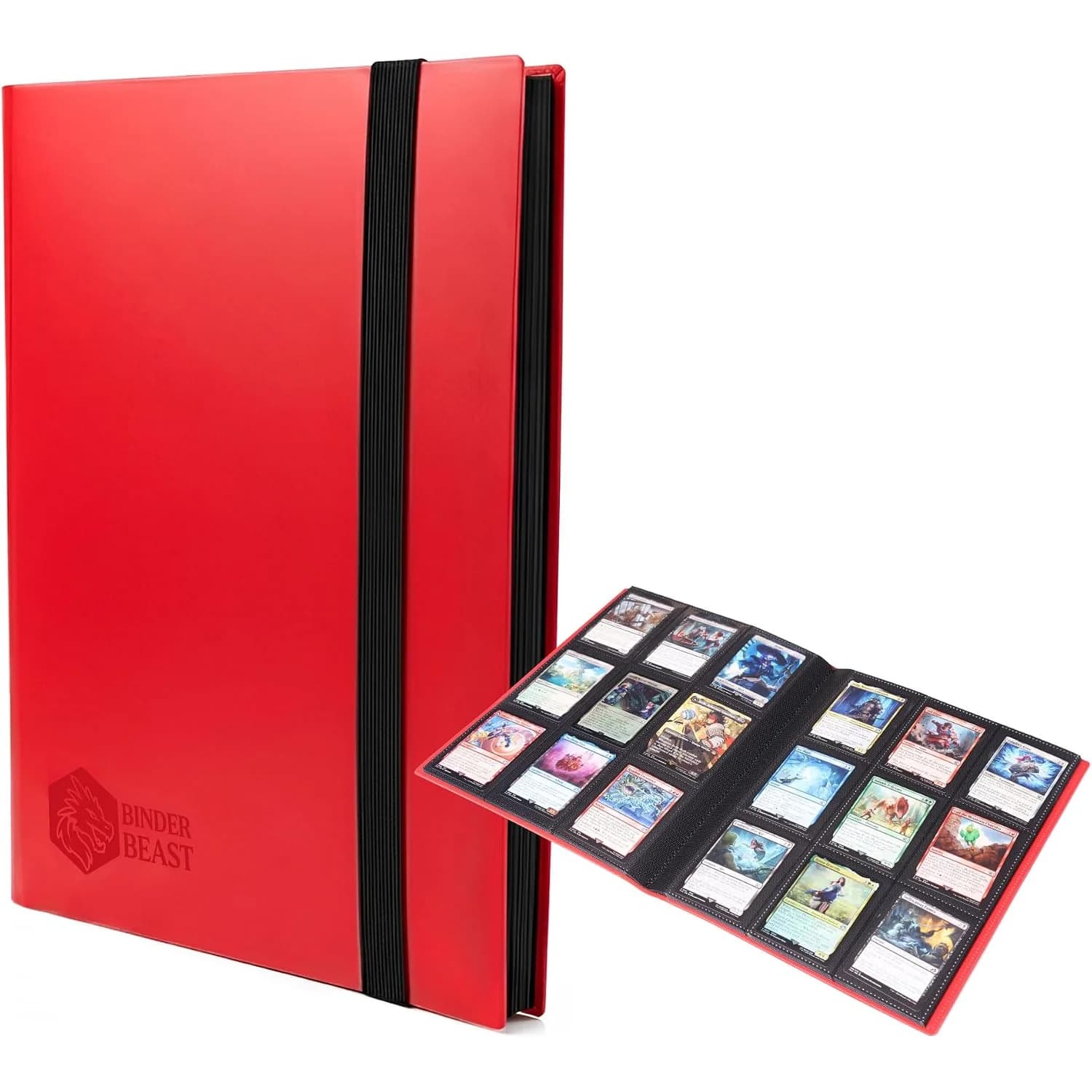
If you want a simple home for cards you care about, the Sleek 9-Pocket Binder has 20 fixed, double-sided pages, so there are no rings pressing against your cards. The pockets are side-loading, which helps stop cards sliding out, and the pages are acid-free, crystal-clear polypropylene. It holds 360 standard cards, sleeved or unsleeved, and has a water-resistant hardcover with an elastic strap. It comes in black or red.
Quick answer
Mint means flawless, Near Mint means almost untouched, Lightly Played shows light wear, Moderately Played shows clear wear, Heavily Played has major wear such as creases, and Damaged covers tears, water and pen marks. Check corners, edges, surface and centring, and let the worst flaw decide.
Conclusion
Learning to judge condition helps you buy fairly, sell honestly and decide which cards deserve extra protection. Take a few minutes to check your favourite cards today, sleeve the ones that matter, and store them flat, dry and away from rings. Your future self will thank you when you open the binder in a few years' time.
Find the right binder
360 to 900 cards, water-resistant covers, free UK delivery over £25.
Shop binders