How to Tell if Pokémon Cards Are Fake: UK Buyer Checks
· 4 min read

The quickest way to spot fake Pokémon cards is to compare them side by side with a card you know is genuine. Fakes often have spelling or grammar mistakes, wrong or unusual fonts, colours that look washed out or too bright, a flimsy or overly glossy feel, a flat or odd holo pattern, and a card back where the blue looks wrong. Buying from trusted sellers and being wary of prices that seem too good to be true will help you avoid most fakes in the first place.
Start with a genuine card to compare
Nearly every check below is easier with a real card in your other hand, ideally a common from a pack you opened yourself. Compare the two under the same good, natural light. Small differences that are hard to describe become obvious when the cards sit next to each other.
Check 1: Text, spelling and fonts
Official cards go through careful proofreading. Counterfeits often don't. Read the card closely and look for:
- Spelling mistakes in the Pokémon's name, attack names or the description.
- Missing accent on the "é" in Pokémon.
- Fonts that look too thin, too bold, oddly spaced or slightly blurry.
- Attack damage or HP that seems wildly out of place for the Pokémon.
- Missing or misaligned set symbol, card number or copyright line.
Check 2: Colours and print quality
Fakes are frequently printed with less care. Colours may look faded, oversaturated or muddy, and fine details in the artwork can look fuzzy. Energy symbols might be the wrong shade or slightly off-centre. On the back, compare the blue swirl and the red and white Poké Ball carefully: an unusual tint is one of the most common giveaways.
Check 3: Feel and card stock
Genuine cards have a particular stiffness and a smooth, slightly satin finish. Many fakes feel thinner, bendier, or have a very shiny, plasticky surface. Holding a known genuine card in one hand and the suspect card in the other, you'll often feel the difference before you see it. Gently flex both, but never bend a card enough to crease it.
Check 4: Holo and special finishes
Holo, reverse holo and textured full art cards are popular targets for counterfeiters, because they're the cards people most want. Tilt the card under a light. Genuine holo patterns tend to have depth and movement, while fakes may show a flat rainbow sheen across the whole card or in the wrong area. If a full art card should have a raised texture you can feel with a fingertip and this one is completely smooth, be cautious.
Check 5: Size and cut
English-language Pokémon cards are standard size, 63 × 88 mm. Lay the suspect card on top of a genuine one and check the edges line up. Look at the corners too: they should be evenly rounded, and the borders reasonably even. Rough edges, sharp corners or a card that's noticeably larger or smaller are red flags.
Checks to avoid
You may see advice online to tear a card to inspect the inner layer. This destroys the card, so it's only worth doing with a card you already know is fake and want to learn from. The "light test" (shining a torch through the card) is another popular tip, but results vary and it isn't conclusive on its own. Use it alongside the other checks rather than as a final verdict.
How UK buyers can avoid fakes
- Buy from trusted sellers. Local game shops, established retailers and online sellers with a long history of good feedback are your safest options.
- Ask for clear photos. When buying singles online, request photos of the front and back in natural light.
- Be wary of very cheap bundles. Large lots of "rare" cards at bargain prices are a classic warning sign.
- Check sealed packaging. Look for neat seals, crisp printing and wrapping that matches the product. Resealed or oddly wrapped boxes are a concern.
- Pay with buyer protection. Use a payment method that lets you raise a dispute if the item isn't as described.
If you're trading in person, the same checks apply. Our guide to trading Pokémon cards safely has more tips, and when you come to sell, selling Pokémon cards in the UK covers how to do it with confidence.
What to do if you've bought a fake
Contact the seller first and explain the problem, with photos comparing the card to a genuine one. If you bought through a marketplace or paid with a method that offers buyer protection, open a claim through that platform. If you can't resolve it, the Citizens Advice consumer helpline can advise you and pass details on to Trading Standards. Keep the fake card out of your collection and don't trade it on to someone else.
Keep your genuine cards safe
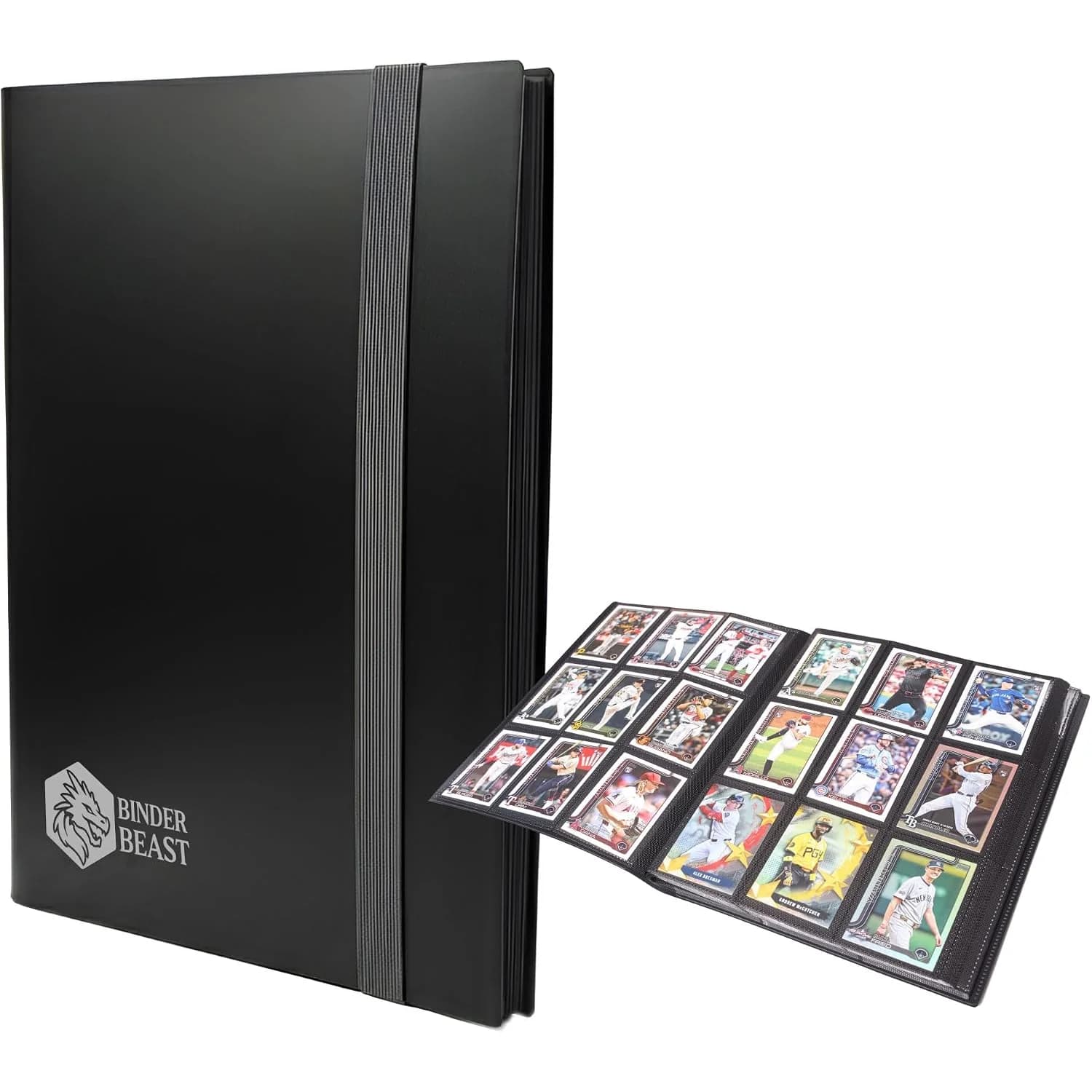
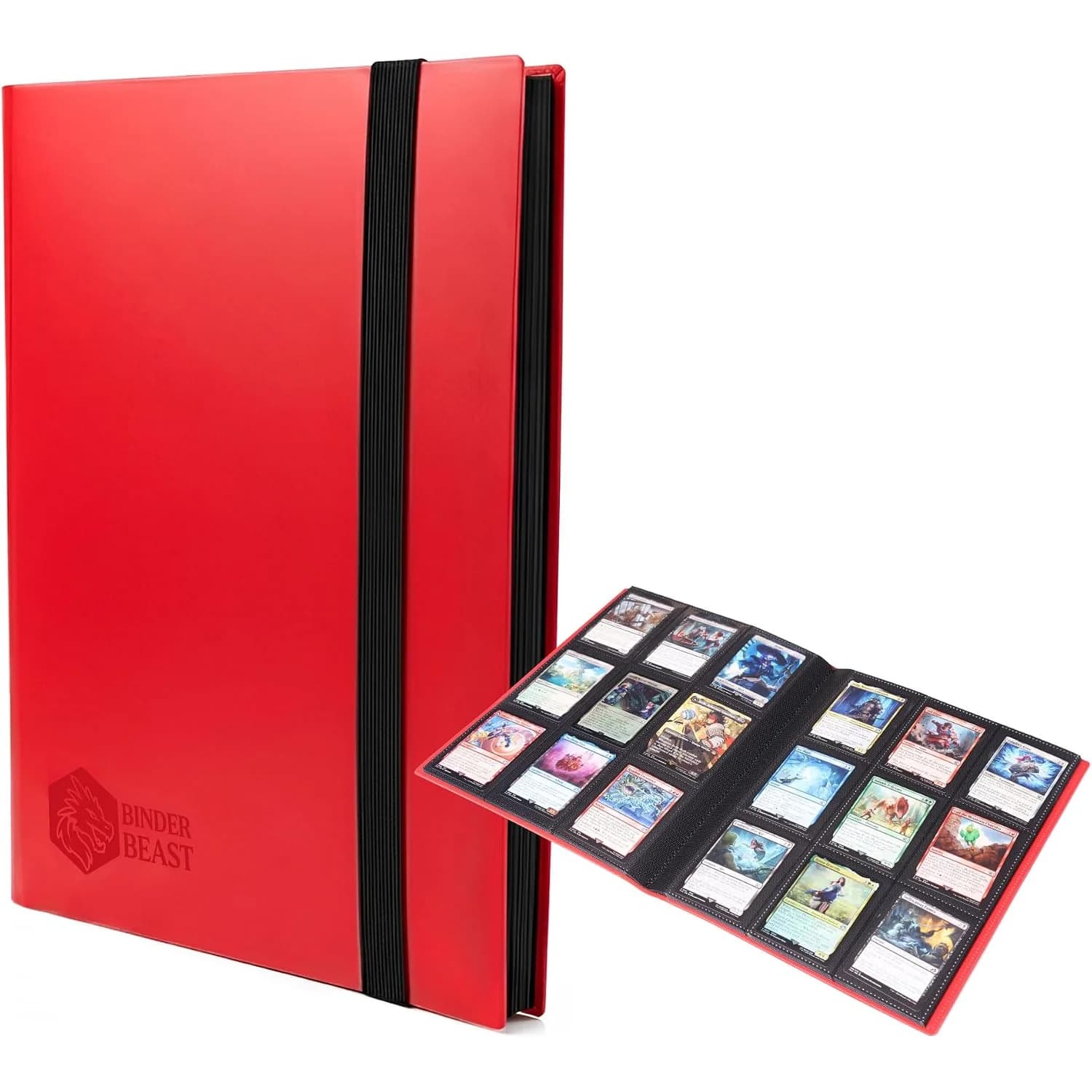
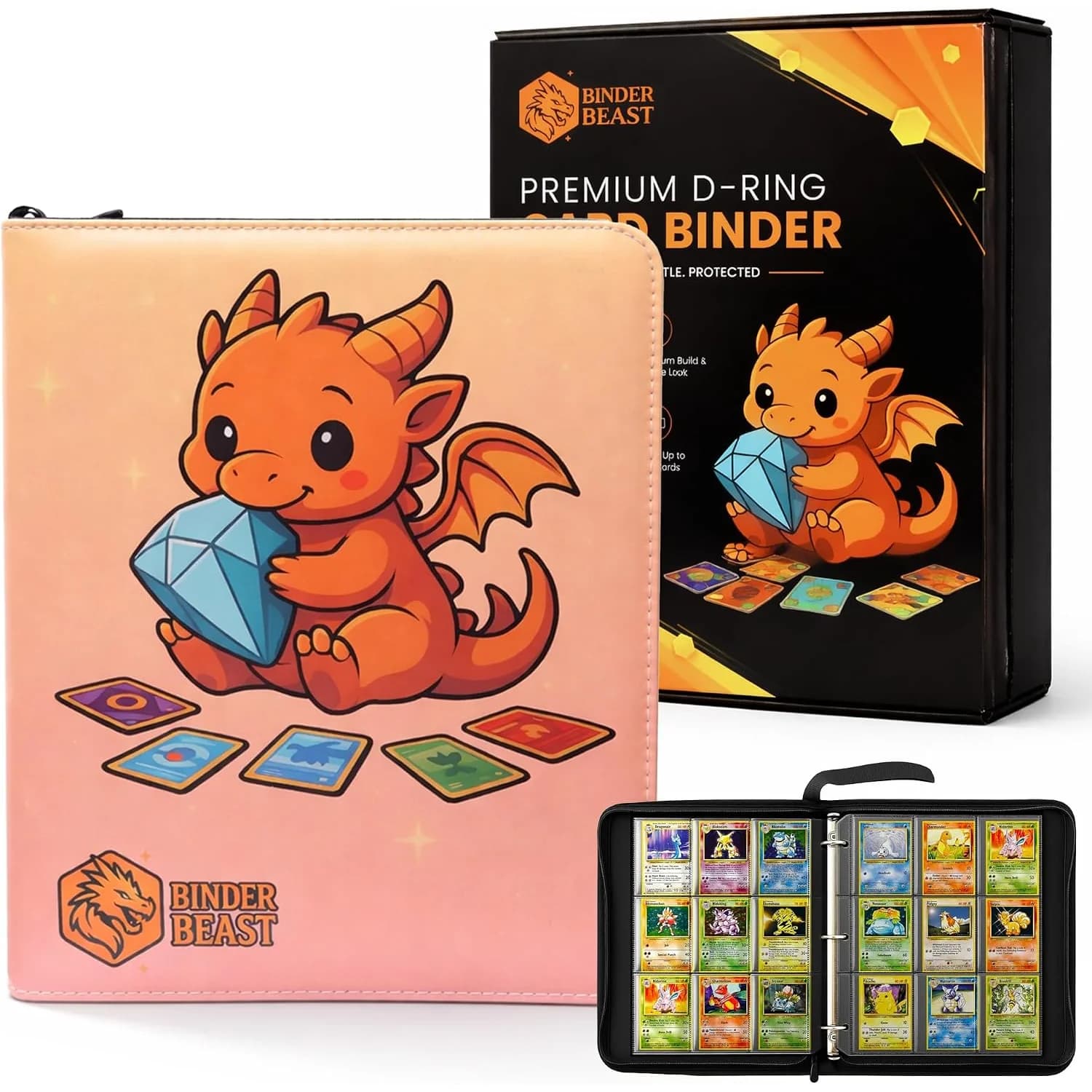
Once you know your cards are real, look after them. Sleeve anything valuable, keep it flat and dry, and store it where it won't get knocked about. Our guide on protecting rare trading cards covers the basics. A binder such as the Dragon 9-Pocket Zip Binder (£18.99) keeps up to 900 cards behind a full zip with a water-resistant PU leather cover, while the Sleek 9-Pocket Binder (£9.99) holds 360 cards in side-loading pockets on acid-free polypropylene pages. Both are on our shop page.
Final thoughts
Spotting fake Pokémon cards gets easier with practice. Compare against a genuine card, check the text, colours, feel, holo and size, and buy from sellers you trust. No single test is perfect, but together these checks will catch the vast majority of counterfeits before they reach your binder.
Find the right binder
360 to 900 cards, water-resistant covers, free UK delivery over £25.
Shop binders