
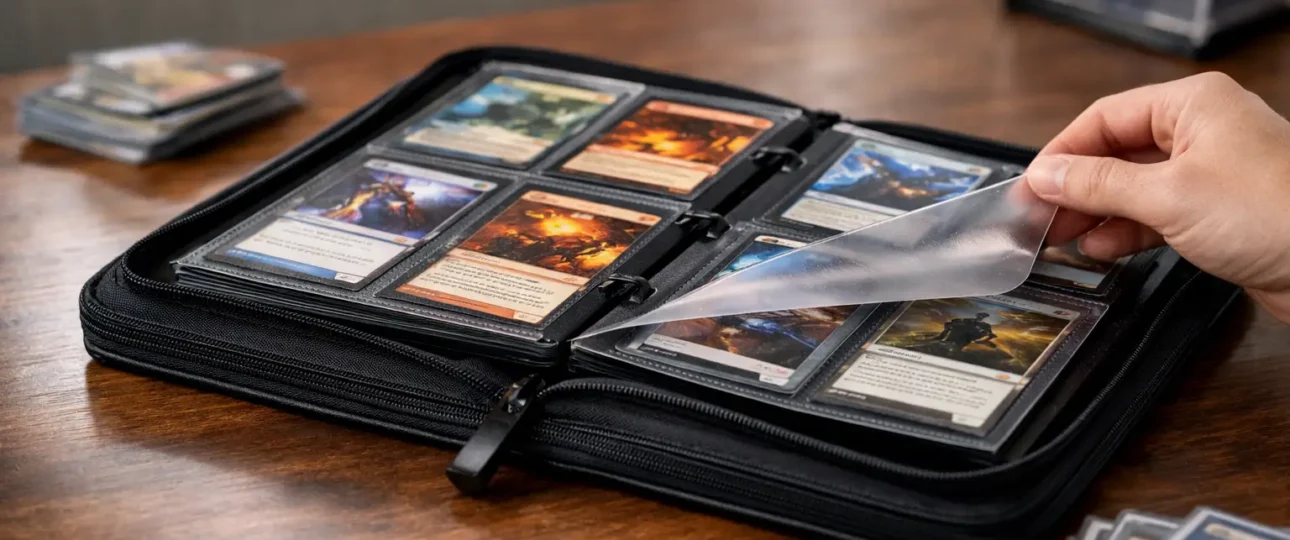
A bent corner usually happens before you notice it. One card shifts in a backpack, a folder opens slightly, a page catches at the edge, and suddenly a clean collection has a flaw you cannot undo. That is exactly why a zip binder for trading cards earns its place so quickly. It adds a proper layer of security around the pages, keeps cards contained in transit, and gives your collection a more serious level of protection than a basic open binder.
For collectors, that matters whether you are storing a child’s growing Pokémon set, taking Yu-Gi-Oh! decks and trades to locals, or keeping sports cards neat on a shelf at home. The best binders do more than hold cards. They protect condition, improve organisation, and make the collection feel worth showing.
Why a zip binder for trading cards makes a difference
The biggest advantage is simple – closure. An open-edged binder leaves room for dust, page movement and accidental slips if it falls or gets packed badly. A zipped design creates a contained case around the collection, which is especially useful if your binder travels regularly.
That does not mean every zipped binder is automatically premium. The quality of the cover, the page construction and the pocket design still decide how safe your cards really are. A weak zip on a flimsy cover can still leave pages under pressure. A strong zip on a structured, water-resistant exterior is a different story. That combination gives cards better protection against knocks, light moisture and everyday handling.
There is also the presentation side. Collectors do not just want storage that works. They want something that looks clean, feels secure and suits the value of what is inside. A zip binder tends to feel more finished, more travel-ready and more collector-grade than a standard album with exposed pages.
What to look for in a zip binder for trading cards
Capacity is usually the first decision, and it affects everything else. A smaller 4-pocket format is compact, easier for younger collectors to handle, and ideal for favourite cards, starter sets or travel. A larger 9-pocket format gives stronger display value and makes more sense for bigger collections where visibility matters.
Neither is universally better. If the binder is mostly staying at home and you want to sort full sets or broad categories, 9-pocket pages often feel more efficient. If you are carrying cards to events, trading sessions or a friend’s house, a 4-pocket binder can be easier to pack and less awkward to handle.
Pocket loading style matters as well. Top-loading pockets help reduce accidental slips and usually create a more secure fit when the binder is moved around. Clear pages are another feature worth paying attention to. If the plastic is cloudy, it dulls the look of the cards and makes the whole binder feel cheaper than it should.
The outer material is not just cosmetic. A water-resistant PU leather cover adds structure and helps shield the collection from light spills or damp surfaces. It also resists the scruffy look that cheap fabric covers tend to develop after regular use. For collectors who care about both protection and presentation, that is a real upgrade.
Zip closure versus elastic closure
Both have a place, but they serve different priorities. An elastic strap is quicker to open and close, and for a binder that rarely leaves the house, it can be enough. It keeps pages from flaring open and gives a simple, lightweight finish.
A zip closure is the stronger option for transport, storage and peace of mind. It seals the full edge of the binder, so if the binder is dropped or tilted, cards and pages stay better contained. That matters more than people think, especially when a collection starts gaining value.
There is a small trade-off. Zipped binders can feel slightly bulkier than elastic models, particularly when fully loaded. For most collectors, that is a fair exchange for the added security. If your cards travel, the zip usually wins.
Fixed pages or D-ring pages?
This depends on how you collect. Fixed-page binders are sleek, simple and ready to use. They are often the better choice for collectors who want a clean, stable layout with less page shifting. Because the pages are built in, the whole binder often feels tighter and more controlled.
D-ring binders offer flexibility. You can add, remove and rearrange pages as your collection changes. That is useful if you are actively building sets, sorting by rarity, or constantly reshuffling a trade binder. The downside is that ring systems can create alignment issues if the binder is overfilled or handled carelessly.
For long-term display and straightforward storage, fixed pages are often the cleaner option. For evolving collections, D-ring setups bring more control. It really comes down to whether you value flexibility or stability more.
Sizing and fit still matter
Most standard trading cards fit properly in binders made for Pokémon, Magic: The Gathering, Yu-Gi-Oh! and sports cards, but the phrase “standard-size compatible” should not be treated casually. Tight pockets can catch corners. Loose pockets can allow shifting. Neither is ideal.
Sleeved cards add another layer to think about. If you sleeve your cards before placing them in the binder, make sure the pockets are designed with enough room for that extra thickness. A binder that fits unsleeved cards perfectly may feel cramped once sleeves are involved.
This is where premium construction earns its price. Better binders are designed with real collector habits in mind, including sleeved storage, repeated page turning and long-term use. That is one reason serious collectors tend to move on quickly from bargain albums.
When a cheap binder is good enough – and when it is not
If the collection is low-value, mostly for casual enjoyment, and rarely moved, a cheaper binder may do the job for a while. Not every collector needs maximum-spec storage on day one. For a child keeping duplicates together or a casual hobbyist sorting bulk, the basics can be fine.
The problem starts when the binder is expected to do more than it was built for. Travel, regular handling, sleeved cards, heavier page loads and higher-value hits all expose weak materials quickly. Zips snag, covers bend, pockets stretch and pages cloud over.
That is usually the point where upgrading makes sense. A better binder does not just look nicer. It reduces the risk of the small kinds of damage collectors regret most – edge wear, page dents, accidental slips and exposure from poor closure.
Choosing the right binder for how you collect
If you build master sets and want cards displayed cleanly in order, go for capacity and page clarity first. If you attend events or carry cards often, prioritise zip security, cover structure and portability. If you are buying for a younger collector, ease of use matters just as much as storage space.
That is why there is no one perfect binder for everyone. The right choice depends on whether your collection lives on a shelf, in a rucksack, at tournaments or in regular trading sessions. A good product match feels obvious once you think about actual use instead of just maximum card count.
For many collectors, the sweet spot is a zipped binder with clear top-loading pockets, a structured outer cover and a format that suits the size of the collection now, not six months ago. Leaving a little room to grow is sensible. Overbuying a massive binder for a small active collection can make organisation less enjoyable.
Brands that focus on collector-grade details tend to get this balance right. Binder Beast, for example, leans into the practical features enthusiasts actually care about – secure closure, clear presentation, dependable materials and formats that fit real collecting habits rather than generic stationery standards.
Protection is only half the story
A binder should make your collection easier to enjoy. That means quick browsing, tidy categories, consistent pages and a look that feels worthy of the cards inside. The best zipped binders do that without turning storage into a chore.
There is a certain satisfaction in opening a binder and seeing everything exactly where it should be. No loose cards, no bent pages, no messy mix of different storage solutions. Just a collection that feels protected, organised and ready to show.
If you are choosing a zip binder for trading cards, think beyond the zip itself. Look at how the whole binder is built, how you actually collect, and how much risk you are willing to accept with the cards you value most. A solid binder will not make a poor collection better, but it will help a good one stay that way.