Why Pokémon Cards Curl (and How to Flatten Them Safely)
· 4 min read

Trading cards curl mainly because of moisture. A card is made of layers, and when one side takes on or loses moisture faster than the other – because of humidity, temperature changes or a foil layer on the front – the card bends. Pokémon holo and reverse holo cards are especially prone to it. The good news is that mild curl can often be eased out with time and gentle, even pressure. Here's why it happens and what to do about it.
Why do Pokémon cards curl?
Humidity and moisture
Card stock is paper-based, so it absorbs moisture from the air and releases it again. When the air around your cards changes – a damp room, a steamy bathroom next door, a cold windowsill – the front and back of the card can swell or shrink at different rates, and the card bows.
Foil and holo layers
Holo, reverse holo and other foil cards have a foil layer on the front that doesn't behave like the paper behind it. Because the two sides don't react to moisture in the same way, foils are the cards most likely to curl, sometimes almost straight out of the pack.
Temperature changes
Moving cards between a cold car or loft and a warm house, or keeping them next to a radiator, encourages uneven drying and swelling. Steady conditions are far kinder to cards than constant swings.
Uneven storage
Cards left loose, leaning on their edges in a half-empty box or squashed at an angle can take on a bend that stays. The way a card is stored for weeks matters more than how it is handled for a few minutes.
Is curling damage?
Light curl that relaxes again is common, and many collectors aren't bothered by it. Heavier curl, or curl that leaves a crease or lifting foil, is a different matter and can affect how a card's condition is judged. See Pokémon card conditions explained for how condition categories work.
How to flatten curled cards safely
Patience is the key. Gentle, even pressure over time works far better than anything quick.
- Let the card settle first. If it has just come out of a pack or in from the cold, leave it at normal room temperature, away from heat and damp, before doing anything else.
- Sleeve it. A penny sleeve protects the surface while it flattens.
- Press it flat. Slide sleeved cards into binder pockets and close the binder, or lay them flat between two clean sheets of paper under a stack of heavy books.
- Wait. Leave them for a few days, then check. Stubborn cards can take longer.
- Repeat if needed. If some curl remains, give it more time rather than more force.
What not to do
- Don't use an iron, hairdryer or radiator – heat can damage the surface and the foil.
- Don't dampen the card to "reset" it; extra moisture is usually what caused the problem.
- Don't bend it the opposite way by hand. You risk a crease, and creases are permanent.
- Be wary of online hacks involving heat, steam or freezing. They are not worth the risk on a card you care about.
How to stop cards curling in the first place
- Choose a dry room with a steady temperature. A bedroom shelf is usually better than a loft, garage, conservatory or kitchen.
- Store cards flat or snugly upright, never leaning at an angle.
- Sleeve your foils and get them into a binder soon after opening.
- Keep your binder closed when you're not looking at it, so pages sit flat and cards are evenly supported.
- Store binders upright on a shelf, like books, rather than leaving heavy items piled on top at an angle.
- Keep drinks away from open binders and boxes.
Our guides on protecting cards from moisture and why a water-resistant binder matters go into more detail on damp, spills and storage spots around the home.
A binder that helps keep cards flat
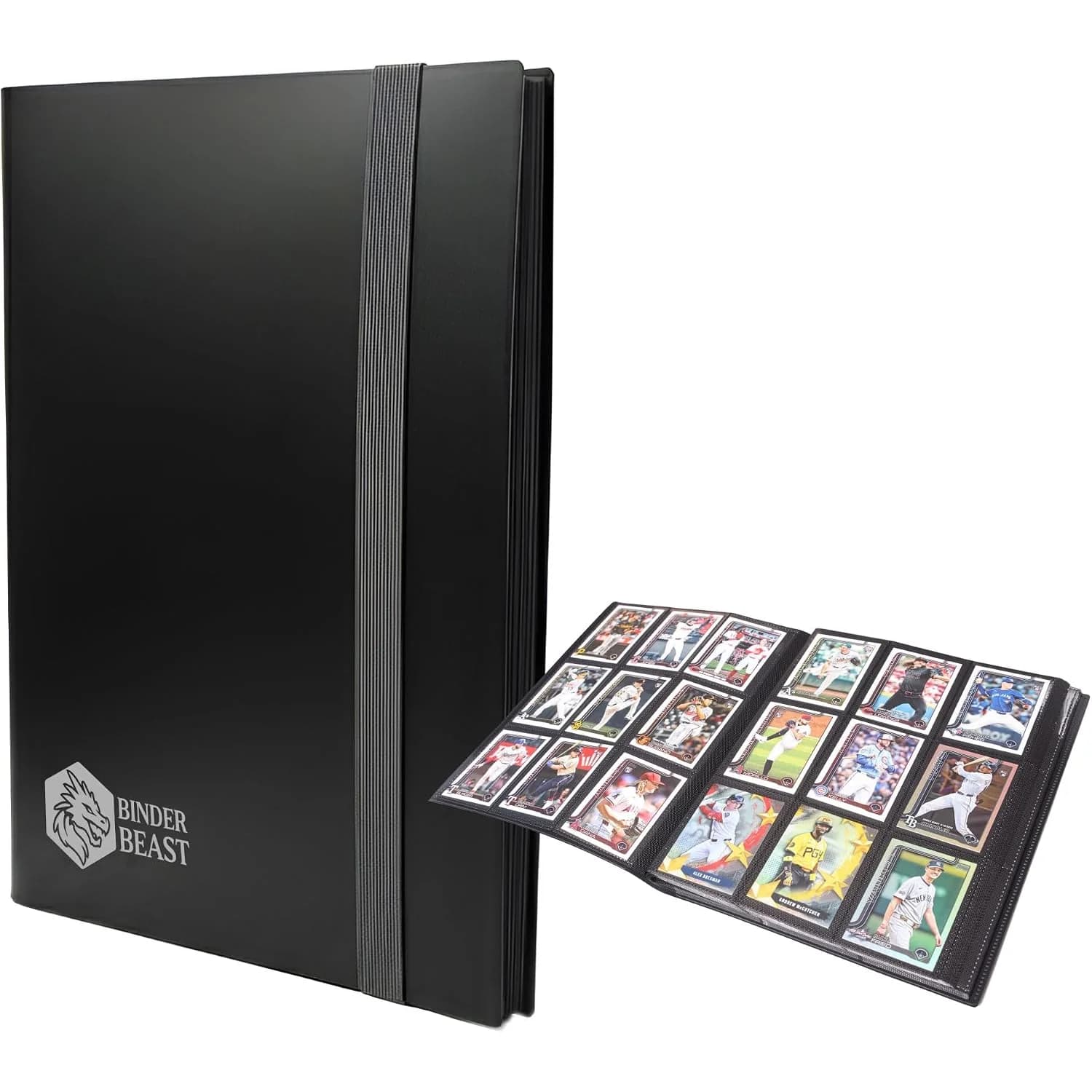
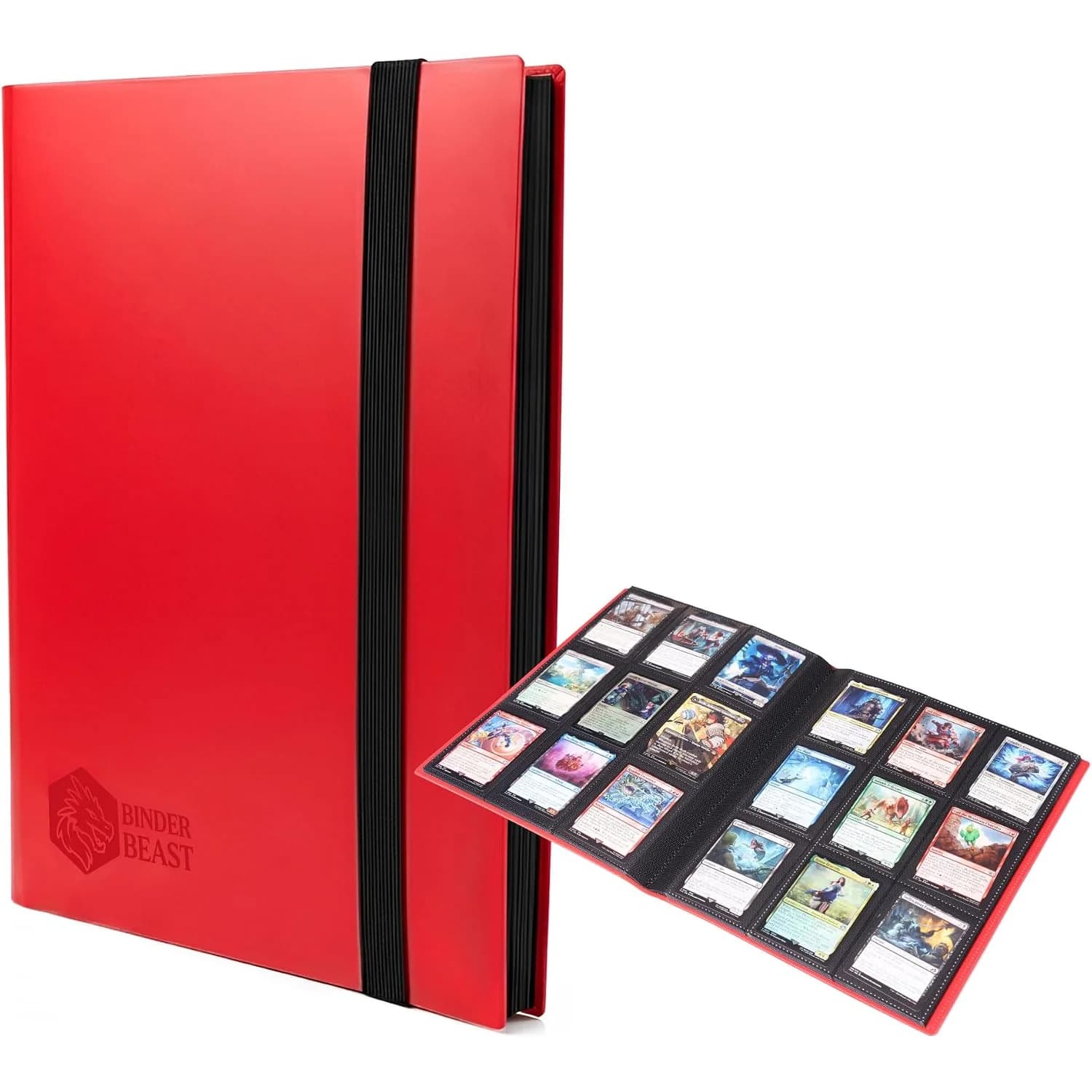
A closed binder with snug pockets keeps cards lying flat and evenly supported, which is exactly what curl-prone foils need. The Sleek 9-Pocket Binder has acid-free, crystal-clear polypropylene pages with side-loading pockets that fit standard cards sleeved or unsleeved, a water-resistant PP hardcover and an elastic strap to keep it shut. For more on looking after shiny cards, see choosing a safe binder for holo cards.
Final thoughts
Curling is usually a moisture problem, and foil cards are the worst affected. Keep your cards in a dry room with a steady temperature, sleeve and store them flat, and if a card does curl, flatten it slowly under even pressure rather than reaching for heat. A little patience usually does the trick.
Find the right binder
360 to 900 cards, water-resistant covers, free UK delivery over £25.
Shop binders