Pokemon Card Album Review: What Actually Matters
· 7 min read
A Pokémon card album review should not start and end with how many cards a binder holds. Capacity matters, but so does what happens when you zip it shut, carry it to a trade night, or leave it on a shelf for months. A good album keeps your cards flat, visible and protected. A poor one can turn a carefully built collection into bent corners, loose pages and cards that are far harder to enjoy.
For collectors building a first Pokémon set, parents buying a gift, and seasoned players sorting decks and trade stock, the right album is a practical upgrade. The best choice depends on the size of your collection, whether you use sleeves, and how often the binder travels. Here is what separates a display-worthy card album from a cheap folder that only looks the part.
Pokémon card album review: the features worth judging
A premium card album earns its place by reducing everyday risk. It should protect cards from dust, accidental spills, pressure and page movement without making them awkward to browse. That means looking past the cover artwork and asking a few more useful questions: Are the pockets secure? Does the binder close properly? Will your cards fit with sleeves? Can it cope with being carried in a rucksack?
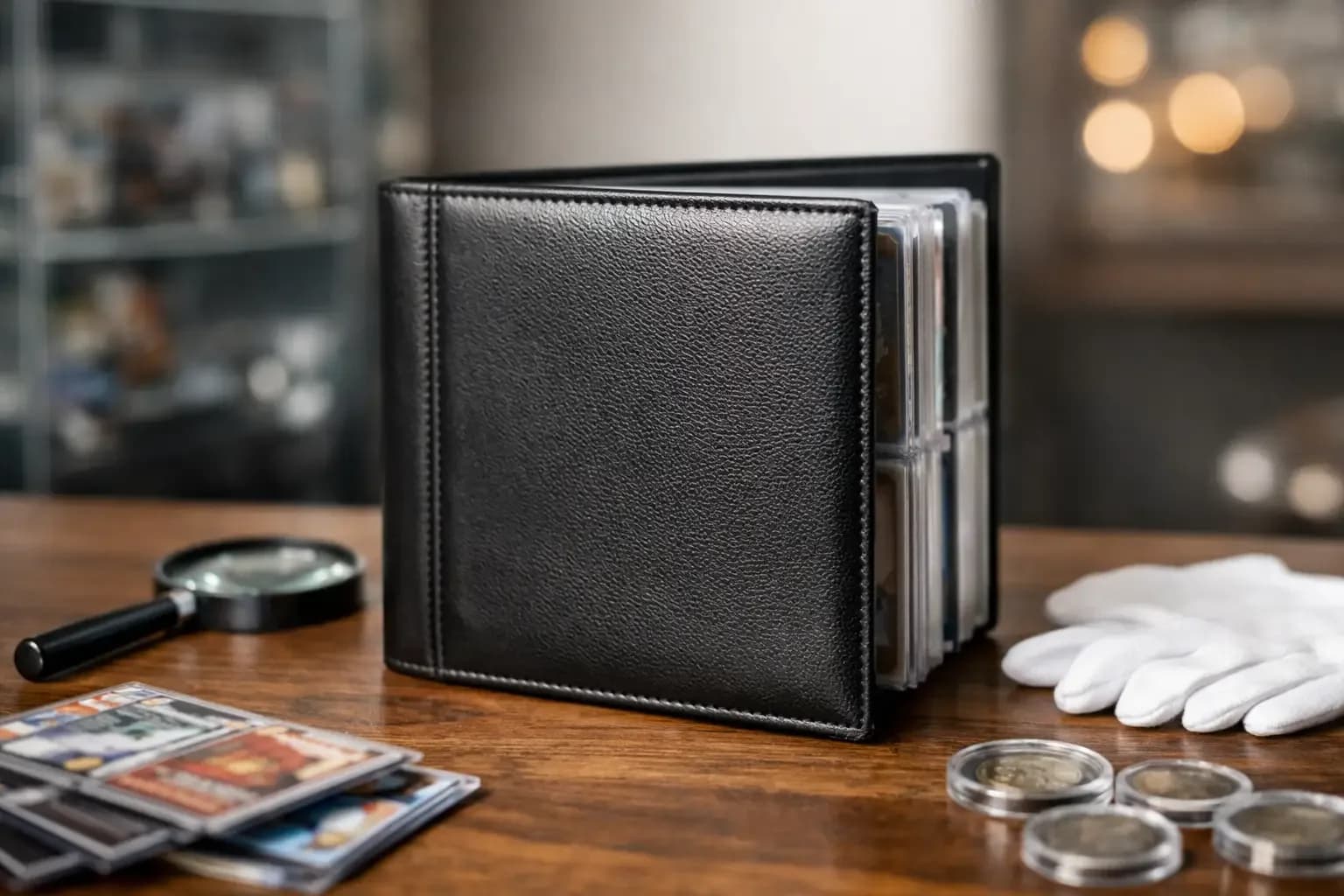
The most dependable models combine a structured outer cover with fixed or well-supported pages. A water-resistant PU leather exterior is particularly useful for collectors who take cards to events, visit friends or simply want a cleaner, more substantial finish than thin cardboard. It is not a licence to soak the binder, but it gives you valuable protection against the little spills and damp surfaces that can ruin unprotected card stock.
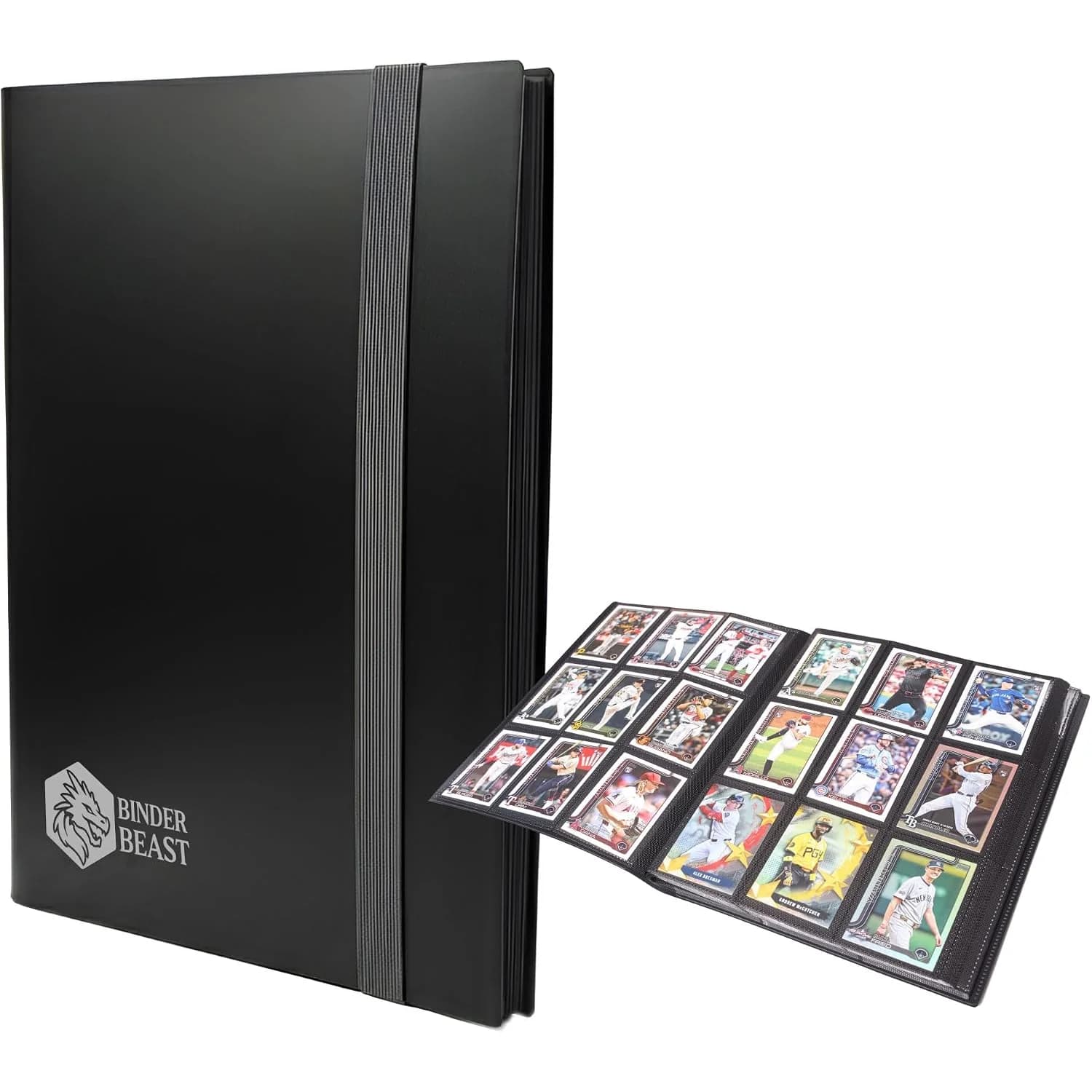
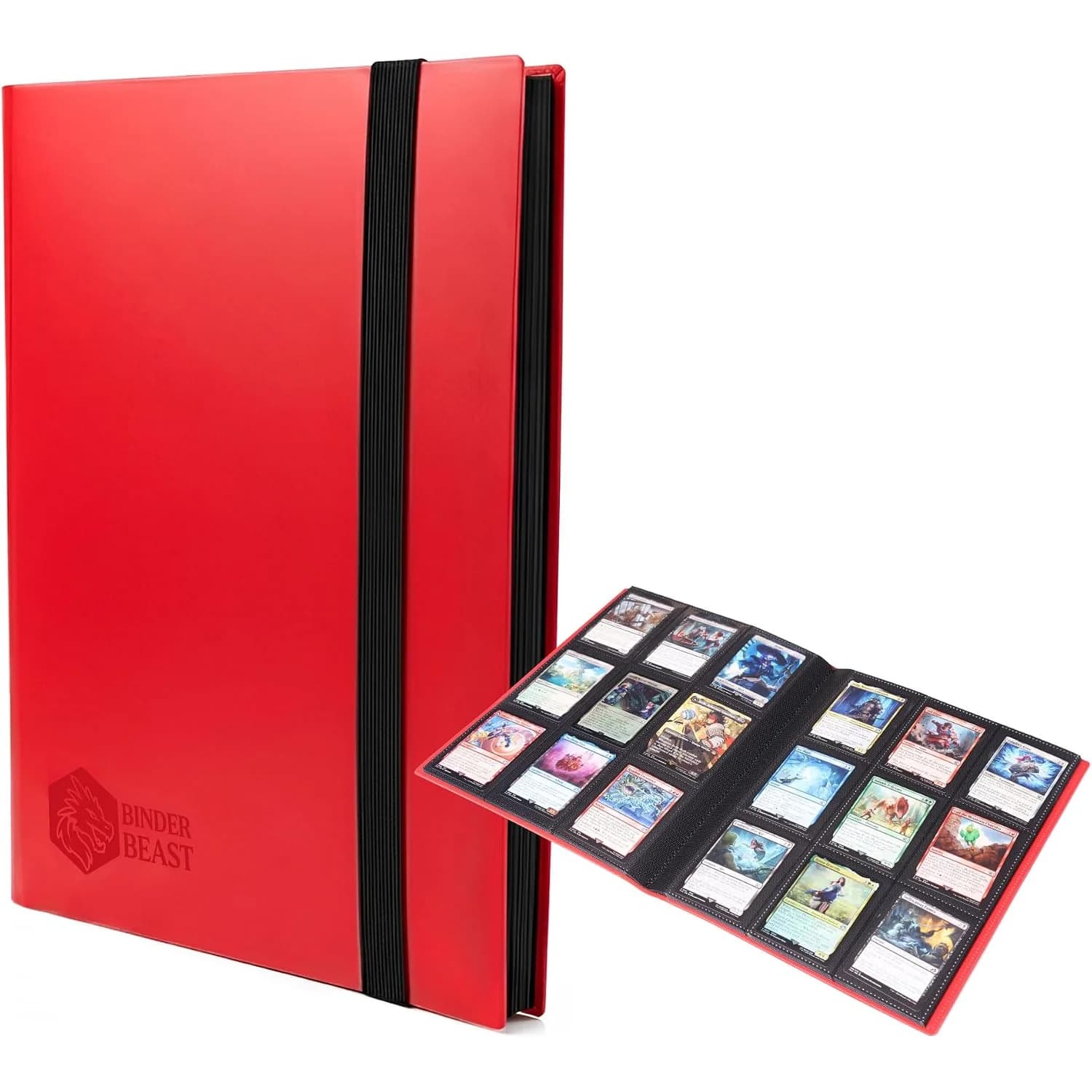
A secure zip closure provides a clear advantage over an open-edge album. When a binder is closed, its pages and card edges are less exposed to dust, snagging and accidental slips. Elastic closures can work well for a lighter collection, especially when quick access matters, but a zip is the stronger choice for regular travel or higher-value cards.
Top-loading pockets versus side-loading pockets
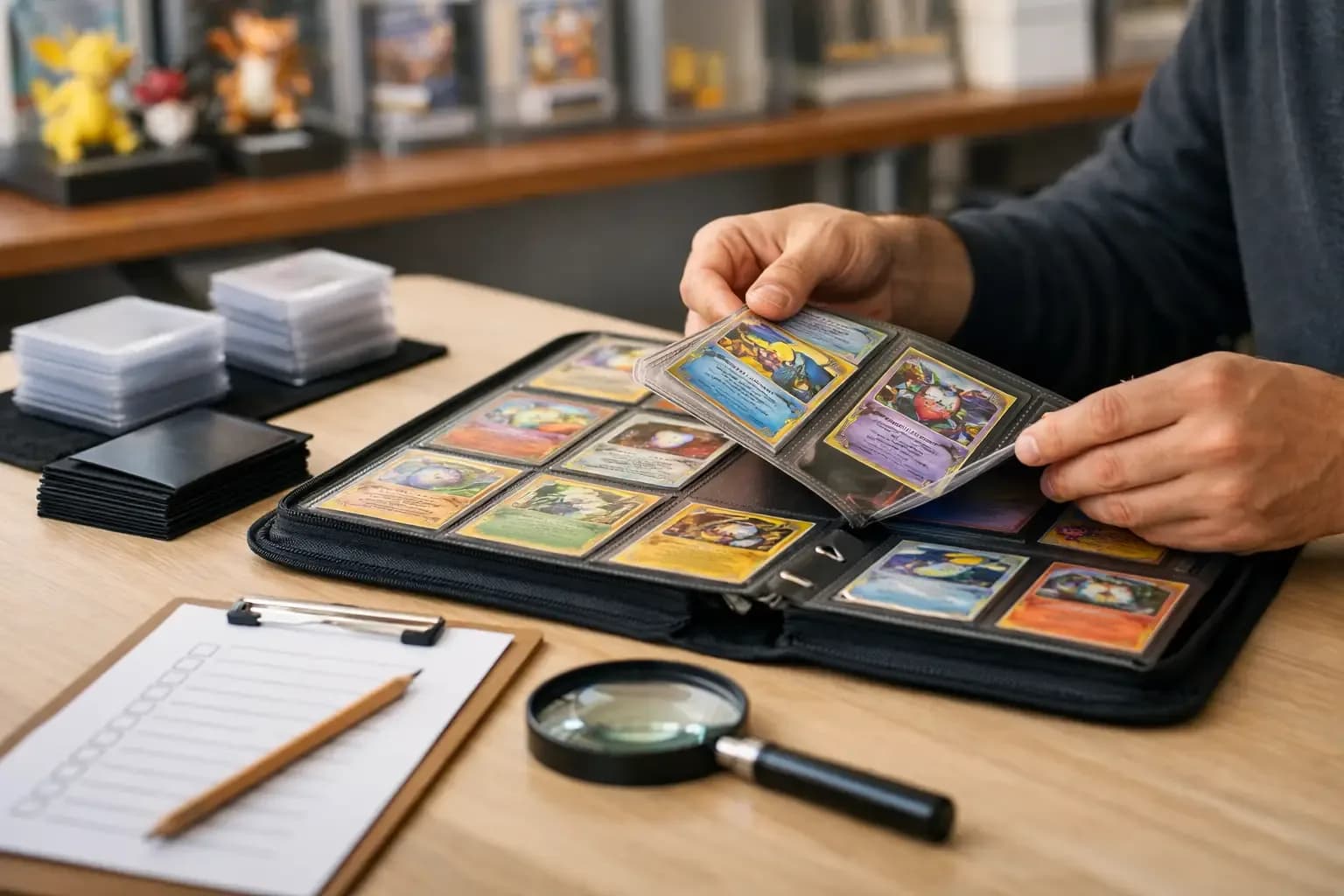
Pocket direction is one of the most debated details in any card album review. Top-loading pockets make it quick to slide cards into place and are familiar to most collectors. Crystal-clear top-loading pockets also make set browsing easy, with artwork and rarity details clearly visible.
The trade-off is that a top-loading pocket is more exposed when the album is upside down or handled roughly. A snug pocket and secure zip reduce that concern significantly. Side-loading pages offer an extra barrier against cards moving out from the top, which can suit collectors who travel frequently or store valuable cards for long periods.
There is no universal winner. For a collection that stays mostly at home, high-quality top-loading pockets are practical, fast and satisfying to use. For a binder that goes everywhere with you, choose a design with tight pockets, a firm cover and a closure that keeps the entire album contained.
Pocket clarity matters more than people expect
Cloudy plastic pages make even a strong collection look dull. Clear pockets let holo patterns, full-art cards and carefully completed pages do the work. They also make it easier to spot gaps in a set without continually removing cards.
Look for pages that sit flat and do not create excessive glare. The plastic should feel smooth and substantial rather than brittle or overly thin. Thin pages can crease, ripple and put unwanted pressure on cards as the binder fills. A clean display is not just cosmetic – it makes sorting, trading and showing off your favourite pulls much easier.
Choosing between a 4-pocket and 9-pocket album
Page format changes how an album feels in use. A 4-pocket binder is compact, easier to carry and ideal for smaller collections, trade binders or cards you want to keep close at hand. With a capacity of up to 400 cards, it gives young collectors and casual hobbyists enough room to organise favourites without carrying a bulky case.
A 9-pocket album is built for bigger goals. A 900-card format gives set builders the space to arrange cards by expansion, number, type, rarity or personal preference. It is the better fit when you want complete pages of a set to read at a glance, or when one small binder is no longer enough for the collection.
Neither format is automatically better. Choose 4-pocket if portability is the priority, if the binder will be used by smaller hands, or if you prefer separating cards into several themed albums. Choose 9-pocket if you value capacity and want a serious home for a growing collection. A large album can become heavy once full, so it is worth being honest about whether it will live on a shelf or spend weekends travelling to events.
Protection starts before the card reaches the pocket
Even the best album cannot compensate for careless loading. Put cards into sleeves before adding them to pockets when you want an extra layer of protection, especially for foil cards, chase pulls and anything you may grade, trade or sell later. Sleeves help guard against surface scuffs and fingerprints while the album protects against external knocks and bending.
Check pocket dimensions if you plan to use thicker premium sleeves. Standard-size trading cards generally fit comfortably in collector-grade pockets, but oversized sleeves can make pages bulge. An overfilled binder puts pressure on cards near the spine and makes page turns less controlled.
Avoid forcing cards into a pocket. Hold the page flat, guide the card in by its edges, and make sure it is fully seated. If a card catches or the pocket feels unusually tight, stop rather than pushing harder. A clean corner is worth more than saving five seconds.
Fixed pages or D-ring organisation?
Fixed-page albums are simple and travel-friendly. The pages are built into the binder, so there are no loose sheets to shift or rings to catch cards. For collectors who want a ready-to-use album for a Pokémon collection, this approach is hard to beat. Open it, fill it and enjoy the collection.
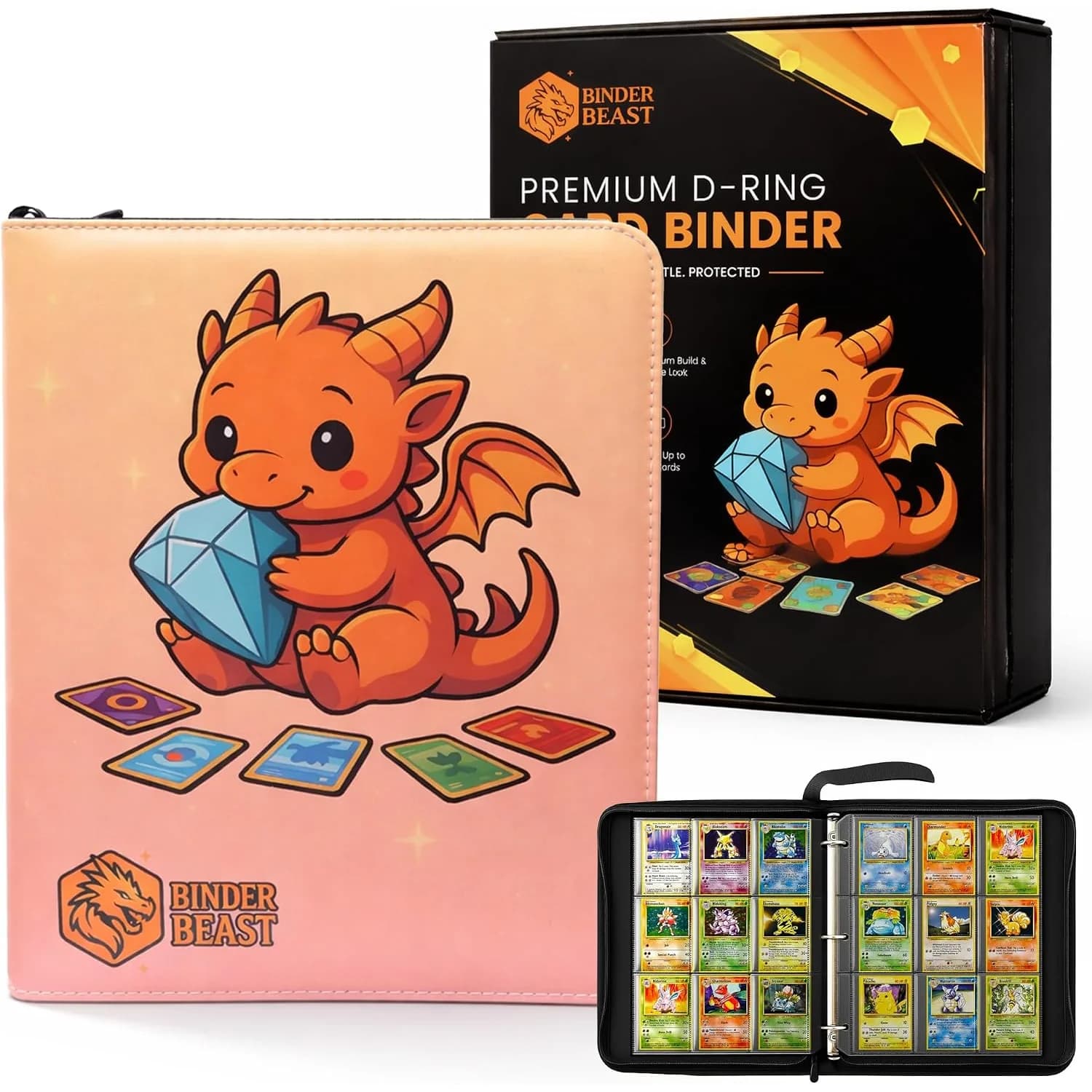
D-ring binders offer more flexibility. You can add, remove and rearrange pages as a set grows, which is useful for collectors who organise strictly by card number or want dedicated sections for different expansions. The downside is that poor-quality rings and overstuffed pages can create pressure points. If you choose a D-ring design, use quality pages, do not pack it beyond its sensible capacity, and close the rings properly every time.
For long-term display, fixed pages often feel neater. For collectors who constantly revise their organisation, D-rings offer control. The right answer comes down to whether you treat your album as a finished display or a collection that is still being actively built.
What a premium cover changes
The cover is the first line of defence, not just a style choice. A flimsy cover can flex under weight, which transfers pressure directly to the pages. A structured, water-resistant PU leather cover gives the album shape and helps protect cards when it is carried, stacked or stored upright.
It also makes a difference when you hand the binder to someone else. A firm album is easier to hold and turn through without bending pages. That is especially helpful at trade meets, game nights and family gatherings, where excitement can lead to less-than-gentle handling.
This is where a collector-focused option such as Binder Beast makes sense. A premium exterior, clear pockets and a secure closure work together to create protection that also looks sharp on a shelf. The goal is not to make your cards untouchable. It is to make enjoying them safer.
The mistakes that shorten an album’s life
Most binder damage is gradual. It comes from cramming too many cards into pockets, storing a full album beneath heavy boxes, leaving it in direct sunlight, or carrying it loose in a bag. Heat can warp pages and affect foil cards, while moisture can damage card stock before you notice a problem.
Keep your album upright or flat with nothing heavy pressing on it. Store it somewhere cool and dry, away from radiators and windows. When travelling, place it in a protected section of your bag rather than against keys, drinks or hard deck boxes.
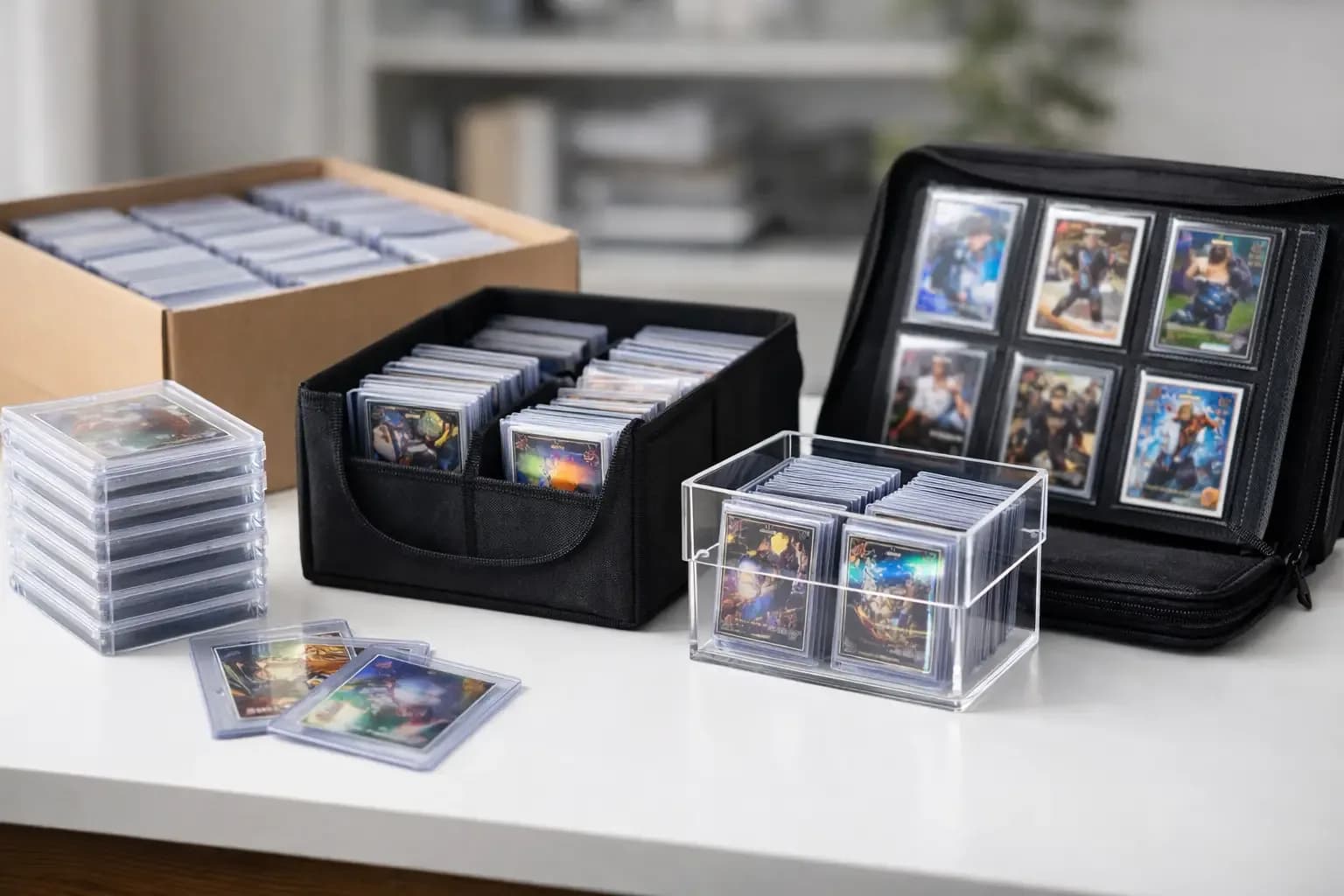
Also resist the temptation to use a binder as bulk storage. If you have thousands of duplicate cards, use storage boxes for the surplus and reserve album space for sets, favourites, trade cards and pieces worth displaying. Your best pages will stay easier to browse, and the binder will not become strained under unnecessary weight.
The right card album should make you want to open it. Choose the capacity that matches your collection now, leave room for the cards you have not pulled yet, and give every favourite a pocket that feels worthy of it.
Find the right binder
360 to 900 cards, water-resistant covers, free UK delivery over £25.
Shop binders