
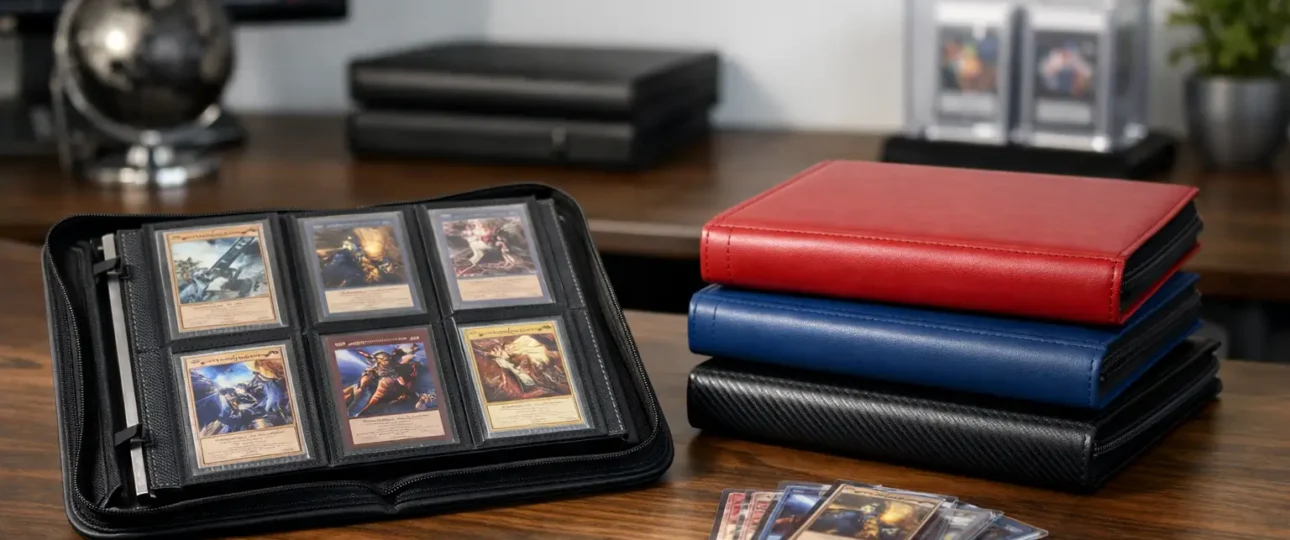
A bent corner can take the shine off a great pull in seconds. That is why a premium trading card binder is not just a nicer-looking extra for collectors – it is the difference between safe storage and slow, avoidable damage. If you collect Pokémon, Yu-Gi-Oh!, Magic: The Gathering or sports cards, the right binder helps protect value, keep your pages tidy and make your collection easier to enjoy.
What makes a premium trading card binder worth it
Not every binder that looks smart on a product page is built for serious collecting. Premium means better protection, but it also means better day-to-day use. A binder should open cleanly, hold cards securely, travel well and still look sharp after months of use.
The biggest upgrade is usually in the materials. A water-resistant cover adds a practical layer of defence against spills, damp surfaces and general handling. That matters more than many collectors realise, especially if your binder leaves the house for trade nights, tournaments or school. A quality outer finish also helps the binder resist scuffs, soft corners and that worn-out look cheaper albums pick up quickly.
Pocket design matters just as much. Crystal-clear pages make cards easier to view without constant shifting and glare. Top-loading pockets can be a strong choice when designed properly because they keep cards easy to insert while reducing slip-out risk during normal handling. If the binder feels built around collectors rather than stationery storage, you can usually tell within a few minutes of using it.
Premium trading card binder features that matter most
Collectors often get distracted by capacity first, but capacity is only one part of the decision. The better question is how the binder protects cards while staying practical for your routine.
Closure type
A zip closure gives the strongest all-round security. It helps keep dust out, prevents pages from catching on bag contents and adds peace of mind when the binder is moved around regularly. For collectors who travel with their cards, a zipped binder often feels like the safer bet.
An elastic strap can still work well, especially for lighter use at home. It is quicker to open and close, and some collectors prefer the simplicity. The trade-off is that it offers less full-edge protection than a zip. If your binder mainly stays on a shelf, that may be perfectly fine. If it spends weekends in a rucksack, a zip usually earns its keep.
Pocket layout
A 4-pocket layout suits collectors who want a compact binder that is easy to carry and easier to flip through. It is a strong fit for younger collectors, smaller sets, favourite cards or trade stock. It feels manageable and keeps the binder from becoming bulky too quickly.
A 9-pocket layout is the standard choice for larger collections. It gives that classic full-page display look and makes set building more satisfying. The downside is size. A filled 9-pocket binder can become heavy, so it is ideal if display and capacity matter more than portability.
Capacity
This is where personal collecting habits matter. A 400-card binder works well if you collect selectively, separate decks from collection pieces or want dedicated binders by set, type or rarity. A 900-card option is more suitable for larger archives and long-term storage, especially if you do not want cards spread across multiple albums.
Bigger is not always better. Overbuying on capacity can leave you with a cumbersome binder that is awkward to store and unpleasant to carry. Underbuying creates overflow and forces you to reshuffle pages sooner than planned. The sweet spot depends on how quickly your collection grows and whether you prefer one master binder or several smaller ones.
Ring style vs fixed pages
D-ring binders appeal to collectors who want flexibility. You can add, remove and rearrange pages as your collection changes. That is especially useful for active set builders and collectors who like a precise layout.
Fixed-page binders usually feel more streamlined and travel-friendly because there are fewer moving parts. They can also reduce the risk of misaligned pages or ring-related pressure points when stored badly. If your main goal is simple, secure presentation, fixed pages often make sense. If custom arrangement is part of the fun, D-ring storage has a clear advantage.
Choosing by the way you collect
The best premium trading card binder is the one that matches how you actually use your collection, not the one with the longest feature list.
If you are buying for a child or a newer collector, simplicity matters. A lighter binder with a manageable number of pages is easier to handle and less likely to be overstuffed. Clear pockets, a secure closure and a durable cover usually matter more than maximum capacity.
If you play at locals or larger events, portability jumps up the list. You want a binder that fits neatly in a bag, protects cards during travel and opens quickly for trades. In that case, a zipped 4-pocket or a well-balanced 9-pocket binder can be a better choice than a huge archive-style album.
If you are more focused on collecting than playing, presentation becomes a bigger factor. A binder should make your cards look sharp, stay neat on a shelf and support long-term organisation. That is where premium finishes, cleaner pocket clarity and a polished outer design start to feel less like luxury and more like part of the collecting experience.
Protection is not just about the cover
Collectors often judge a binder by the outside first, but internal stability is what protects the cards over time. Pockets should hold cards firmly without making insertion awkward. Pages should lie flat enough for clean viewing. The binder should feel structured, not floppy.
Card fit is another detail worth checking. Standard-size trading cards need pages designed around that format, whether you collect TCG staples or sports cards. A binder that is too loose can let cards shift. Too tight, and removing cards becomes frustrating. If you sleeve your cards before storing them, that extra thickness should be part of your decision too.
Water resistance is a genuine quality marker, but it should be seen as added protection rather than a promise against every accident. It helps with everyday risk. It does not replace sensible storage. Keep binders upright when possible, avoid stacking them carelessly and do not leave them in hot cars or damp rooms.
Why cheap binders usually cost more later
A budget binder can seem fine at first, especially if your collection is still small. The problem appears after repeated use. Covers crease, stitching weakens, pockets cloud up and closures lose tension. None of that feels like a bargain when you are rehousing cards a few months later.
There is also the issue of confidence. A premium binder gives you fewer reasons to worry when carrying cards, storing valuable pulls or handing the binder to someone for a look. That matters if you care about condition, and most collectors do – whether they are preserving sentimental favourites or protecting cards with real resale value.
This is where a specialist brand such as Binder Beast stands out. The difference is not just appearance. It is the combination of collector-focused details: protective materials, practical layouts and a design that feels made for the hobby rather than borrowed from office storage.
How to spot the right binder before you buy
Product photos can make almost any binder look decent, so pay attention to the useful details. Check the loading style, closure type, card capacity and whether the binder is aimed at standard-size trading cards. Look for signs that it is meant to be handled often, not just stored once and forgotten.
It also helps to be honest about your habits. If you like to reorganise pages regularly, choose flexibility. If you mostly want safe, attractive storage, prioritise pocket stability and a strong outer shell. If you travel often, keep size and closure at the front of your mind.
A good binder should remove friction from collecting. It should make it easier to sort cards, safer to carry them and more satisfying to look through your pages. That is what premium really means in practice.
The right binder does more than hold cards. It gives your collection a proper home – one that protects the condition you worked for and shows the hobby the respect it deserves.