
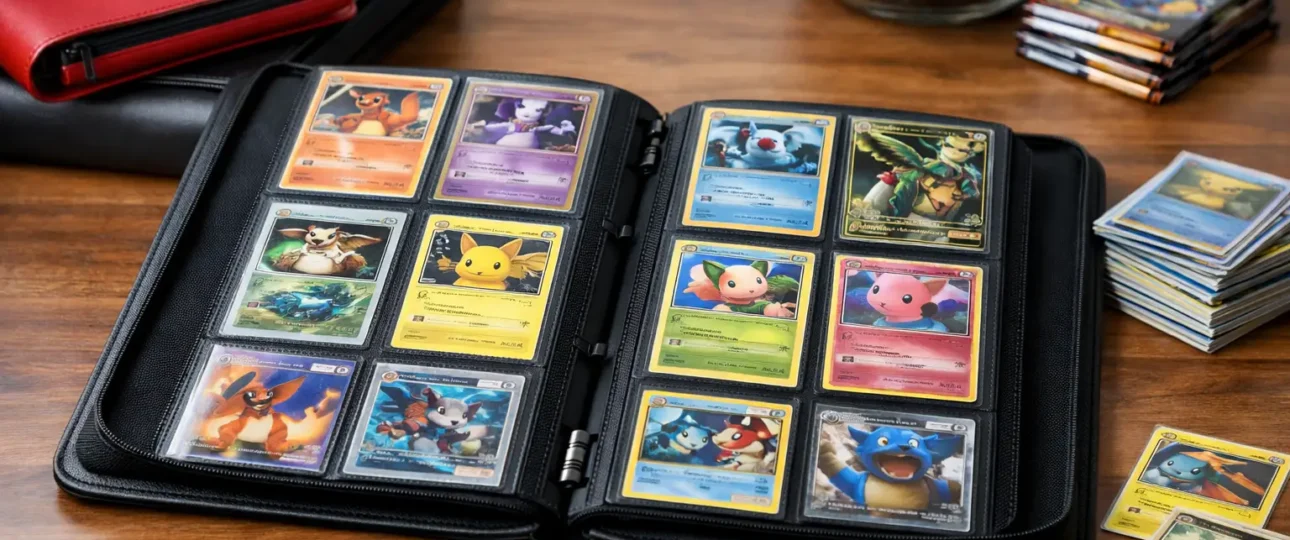
A bent corner on a full-art pull hurts more than it should. That is why choosing the best binder for Pokémon cards is not just about looks or page count. It is about how well your collection is protected, how easy it is to organise, and whether the binder still feels practical once you start carrying it to trades, events, or a friend’s house.
For most collectors, the right binder comes down to four things – pocket layout, loading style, closure, and overall build quality. Get those right and your cards stay cleaner, flatter, and easier to enjoy. Get them wrong and even a decent collection can end up with scuffed sleeves, loose pages, or cards sliding about when the binder moves.
What makes the best binder for Pokémon cards?
The best option is usually not the biggest one or the cheapest one. It is the binder that matches how you collect.
If you are building master sets, page layout matters because your cards need to sit in a way that makes the set satisfying to view. If you are trading regularly, portability matters more because a bulky binder becomes a nuisance very quickly. If your collection includes more valuable cards, protection features matter most because one accident with a drink bottle or one card slipping from an open side pocket is enough to ruin the mood.
A proper Pokémon binder should feel made for collectors, not like a repurposed office folder. That means sturdy covers, clean pocket construction, secure card fit, and a closure that keeps everything in place when you are on the move.
Side-loading pockets beat basic top-entry pages
This is one of the clearest upgrades from cheap card albums. Side-loading pockets hold cards more securely in normal use, especially when the binder is picked up, tilted, or packed in a bag. A card in a sleeve inside a side-loading pocket is far less likely to edge upwards or shift around.
Top-entry pages can still work, particularly in ring binders with quality pages, but the cheaper versions often feel less secure. For collectors who value peace of mind, side-loading is usually the smarter choice.
A zip closure adds real protection
A binder without a closure leaves more to chance. Dust, accidental spills, and cards catching on other items in a backpack are all more likely when the binder is open at the sides.
Zip binders are especially strong for Pokémon collections because they create a more enclosed storage environment. Elastic strap binders are still useful and often lighter, but a zip gives you a more secure finish if you travel with your cards or store higher-value pulls.
The cover matters more than people think
A soft, flimsy cover makes the whole binder vulnerable. Pressure from a stack of books, movement in a bag, or even routine handling can transfer through to the cards more easily.
A firmer water-resistant cover gives your collection a better shield against everyday accidents. It also keeps the binder looking sharper over time, which matters if you want your collection to feel premium rather than temporary.
4-pocket or 9-pocket – which binder size is right?
This is where personal preference really comes in.
A 4-pocket binder is compact, easier to carry, and ideal for younger collectors, smaller collections, trade selections, or favourite-card displays. It feels less bulky in the hand and is much easier to pack into a rucksack. If you mainly collect standout cards rather than complete huge sets, 4-pocket layouts are often the sweet spot.
A 9-pocket binder is the classic choice for collectors who want scale. It gives you a cleaner view of larger sections of your collection and works brilliantly for sets, sorted rarities, or long-term organisation. The trade-off is size. Once filled, a 9-pocket binder can get heavy, and if the construction is poor, that extra bulk starts to work against the cards.
Neither format is automatically better. The best binder for Pokémon cards might be a compact 4-pocket model for one collector and a large 9-pocket zip binder for another. It depends on whether portability or capacity matters more to you.
Ring binders vs fixed-page binders
This choice changes how you organise and expand your collection.
Fixed-page binders are popular because they feel streamlined and secure. The pages are built in, which means there is no opening and closing of rings and usually less risk of page movement. For many Pokémon collectors, that clean all-in-one format feels better and looks better.
Ring binders bring flexibility. You can add, remove, and rearrange pages as your collection changes. That is useful if you are constantly reorganising by set, type, rarity, or language. The downside is that poor-quality ring binders can create pressure points, and badly aligned rings are never worth the risk.
If you go for a ring binder, it needs to be a proper collector-grade one, with pages that sit neatly and a build that does not feel loose. If you want the simplest path to secure storage, fixed-page binders are often the safer bet.
What serious collectors should look for
If your collection includes ultra rares, vintage cards, graded favourites kept separately, or cards you plan to hold long term, the bar should be higher. You are not just storing cardboard. You are protecting condition, value, and the enjoyment of owning the collection in the first place.
Look for crystal-clear pockets that show off the card without making the page look cloudy. Look for materials that feel durable rather than plasticky. Look for pages that lie flat enough to make viewing easy, but not so loose that cards seem to float inside them.
Sleeve compatibility is another big one. The binder should comfortably hold standard Pokémon cards in sleeves. A pocket that only works properly with unsleeved cards is not good enough for a serious collection. Most collectors should assume penny sleeves or similar protection as the baseline.
A premium binder also needs to stay usable when full. Some cheaper binders start well, then become awkward once every page is loaded. They bulge, the covers strain, and turning pages feels clumsy. A well-built binder keeps its shape and remains easy to handle even near capacity.
What casual collectors and gift buyers should prioritise
Not every binder needs to be built for high-value chase cards. If you are buying for a child, starting a first collection, or simply want a clean home for your favourite pulls, ease of use matters just as much as heavy-duty protection.
In that case, focus on a binder that is straightforward to fill, comfortable to carry, and durable enough to cope with regular handling. A smaller 4-pocket design is often ideal here because it feels manageable and less overwhelming. A zip closure is still a strong feature, especially for younger collectors who may carry cards around more casually.
Good presentation still matters. Half the appeal of Pokémon collecting is flipping through the pages and seeing your cards displayed properly. Even for a starter collection, the binder should make the cards feel worth looking after.
Mistakes to avoid when buying a Pokémon binder
The most common mistake is buying purely on capacity. A giant binder sounds impressive until it becomes too heavy, too awkward, or too flimsy to trust. Bigger is only better if the construction supports it.
The next mistake is ignoring pocket design. Loose pockets and poor page material can make even sleeved cards feel insecure. If the pockets do not grip cards properly, the binder is doing half the job.
Another mistake is treating all closures as equal. They are not. If you travel with your collection, closure type makes a genuine difference to confidence and protection.
Finally, do not overlook the finish and materials. A collector binder should feel like an upgrade. If it looks cheap, creases easily, or feels vulnerable in the hand, you will notice that every time you use it.
So, what is the best binder for Pokémon cards?
For most collectors, the best choice is a side-loading binder with a secure zip closure, a durable water-resistant cover, and enough capacity to grow without becoming awkward. If you want a travel-friendly option for trades, favourites, or younger collectors, a premium 4-pocket binder makes a lot of sense. If you are building bigger sets and want full-page visual impact, a well-made 9-pocket binder is hard to beat.
What matters is choosing a binder that fits your collection now and still works as it grows. That is where collector-focused designs pull ahead of generic albums. Brands built around card storage, including Binder Beast, tend to get the details right because they understand how collectors actually use their binders.
A good binder does more than store cards. It gives your collection structure, protects the condition you have worked for, and makes every page turn feel a bit more satisfying. Buy with that in mind, and your cards will thank you for it.