
A binder can look great on a shelf and still let your cards slide, catch, or scuff if the pocket design is wrong. That is why side loading vs top loading pockets matters more than many collectors realise. The opening position affects how secure your cards feel in storage, how easy they are to browse, and how confident you are carrying a binder to locals, school, or an event.
For most trading card collectors, this is not really about which option is universally better. It is about which one better matches the way you collect. A Pokémon master set, a tournament-ready Yu-Gi-Oh! trade binder, and a sports card display album do not all have the same job, so the right pocket style can change with the collection.
Side loading vs top loading pockets: what changes in real use?
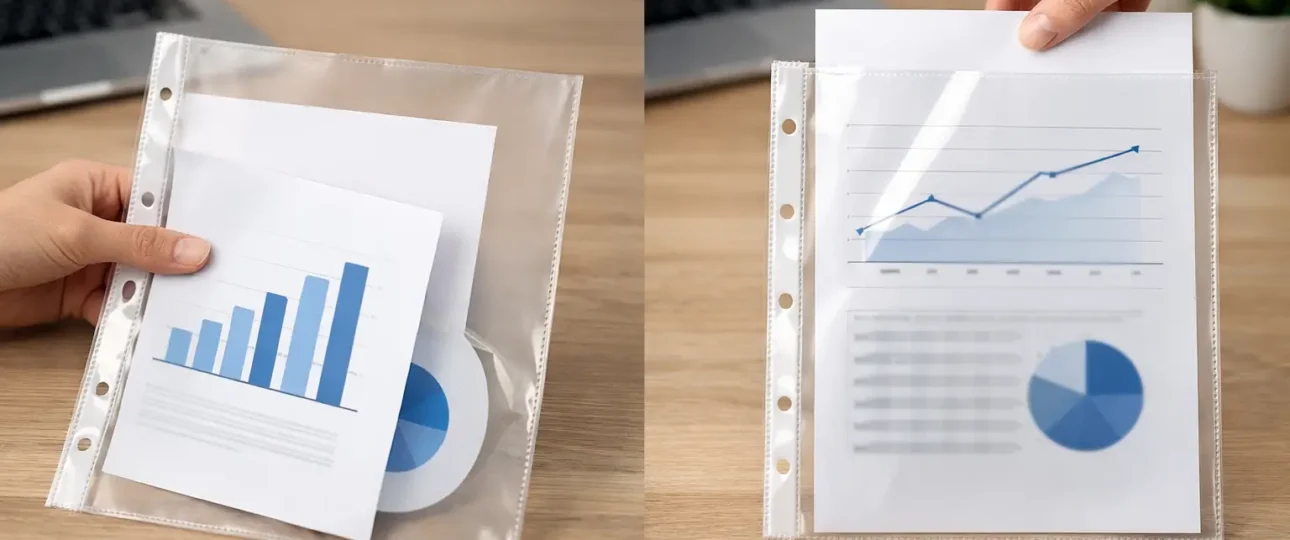
The basic difference is simple. Top loading pockets open at the top edge of each slot, while side loading pockets open towards the binder spine or outer edge, depending on page design. That sounds like a small detail until you start filling pages with cards you actually care about.
Top loading pockets are familiar because they are straightforward. You slide the card down into place and the card sits vertically in the pocket. For many collectors, especially younger hobbyists or anyone sorting lots of cards quickly, that feels intuitive from the first page.
Side loading pockets are built with security in mind. When the binder is upright, the opening is not pointing directly upwards, which can reduce the chance of cards working loose during movement. In a zip binder or a snug album, that extra control can make a real difference if you travel with your collection.
The key point is this: pocket orientation changes both card retention and handling. If you want quick access, top loading often feels faster. If you want a stronger sense that cards stay put when the binder shifts, side loading usually has the edge.
Protection matters more than convenience
Collectors often ask which style protects cards better. The honest answer is that pocket design is only one part of the protection picture. Pocket snugness, page material, binder closure, cover rigidity, and whether you sleeve your cards all matter too.
That said, side loading pockets tend to feel more secure in day-to-day use. When you carry a binder in a backpack, hold it vertically, or flip through it at an angle, cards in side loading pages are generally less likely to creep towards the opening. That is especially useful for active collectors who take binders to tournaments, trade nights, or school.
Top loading pockets can still protect cards very well, particularly in a well-made binder with tight, clear pockets and a secure outer closure. If the page material grips the card properly, there may be very little movement. For collectors storing binders flat at home and handling them carefully, top loading pockets are often more than good enough.
Where top loading can lose ground is during transport. If the binder is shaken around, inverted, or packed loosely, gravity is working in the same direction as the opening. That does not mean your cards will spill out, but it does mean the binder has less built-in resistance against movement.
Which is easier to use?
Ease of use depends on whether you care more about fast loading or controlled loading.
Top loading pockets are usually quicker when you are sorting a large number of cards. You align the card above the opening and slide it in. That makes them popular for collectors who regularly reorganise pages, build sets, or update trade binders. If you are adding cards every week, simple access can be a genuine advantage.
Side loading pockets can take a touch more care, especially if the pockets are deliberately snug. You may need to guide the card in with a steadier hand, particularly with sleeves. For some collectors, that is a fair trade because the fit feels safer once the card is in place.
There is also a display angle to consider. Top loading pockets can make browsing feel very natural because each card is inserted in a straight vertical motion and often sits in a familiar, clean layout. Side loading pages can look just as sharp, but they sometimes feel slightly more deliberate when loading and unloading.
If the binder is for a child or a newer collector, top loading may feel simpler at first. If the binder is for a more serious collection that gets moved around often, side loading may feel worth the extra care.
Side loading vs top loading pockets for sleeved cards
This is where the conversation gets more specific. Many collectors are not storing raw cards at all. They are using penny sleeves, inner sleeves, or standard deck sleeves before cards ever go into the binder.
With sleeved cards, pocket size and material become just as important as loading direction. A well-designed top loading pocket can hold a sleeved card neatly without issue. A poorly sized one can feel loose. The same goes for side loading pockets. The opening direction does not rescue a pocket that is too wide or too shallow.
Still, side loading pockets often pair nicely with sleeved collections because they help reduce the sense that the card might shift upward when pages are turned. If you collect higher-value cards, full sets, or anything you transport regularly, that added confidence matters.
Top loading pockets remain a strong option for sleeved cards if you prefer fast updates and mostly store your binder safely at home. For set builders who are always replacing placeholders with cleaner copies, quick access can save time and frustration.
Travel, storage and everyday handling
A binder is not just a storage tool. It is also something you carry, open, pass around, and put back on a shelf. That is why the best pocket style often depends on where your binder spends most of its life.
If your binder travels often, side loading pockets usually make more sense. They are better suited to movement, especially when combined with a zip closure and sturdy cover. Cards are less likely to edge towards the opening while the binder is upright, which is exactly how most people carry them.
If your binder lives mostly at home and comes out for occasional browsing, top loading pockets can be perfectly practical. They are easy to fill, easy to update, and easy to view. For collectors who prioritise display and quick reorganisation over travel security, they remain a solid choice.
Collectors with younger children should also think about handling habits. If pages are likely to be flipped quickly or the binder may be carried about without much care, side loading pockets offer a bit more forgiveness. If the binder is used in a calmer setting, top loading can feel more approachable.
The best choice depends on the kind of collector you are
There is no point pretending one style wins for everyone. The better question is what annoys you more: cards feeling slightly slower to insert, or cards feeling slightly less secure during movement?
If you are a regular trader, event-goer, or collector who carries a binder around, side loading pockets are often the safer bet. They suit collectors who want their pages to stay tidy while travelling and who value security over speed.
If you are constantly updating pages, sorting duplicates, or building sets at home, top loading pockets may suit you better. They keep the process simple and familiar, which matters when you are handling dozens or hundreds of cards over time.
For many serious collectors, the ideal answer is not choosing one style forever. It is matching the binder to the job. A trade binder might benefit from side loading pockets, while a home set binder might work beautifully with top loading pockets. Different collections ask for different tools.
A premium binder should make you feel confident every time you zip it shut or flip to the next page. That is why collectors look beyond capacity and cover design and pay attention to pocket layout as well. Binder Beast, for example, puts that practical detail front and centre because good storage is never just about holding cards – it is about protecting what makes the hobby worth collecting.
If you are choosing between the two, think less about trends and more about your routine. The right pocket style is the one that fits how you collect, how you store, and how much peace of mind you want every time your binder leaves the house.